
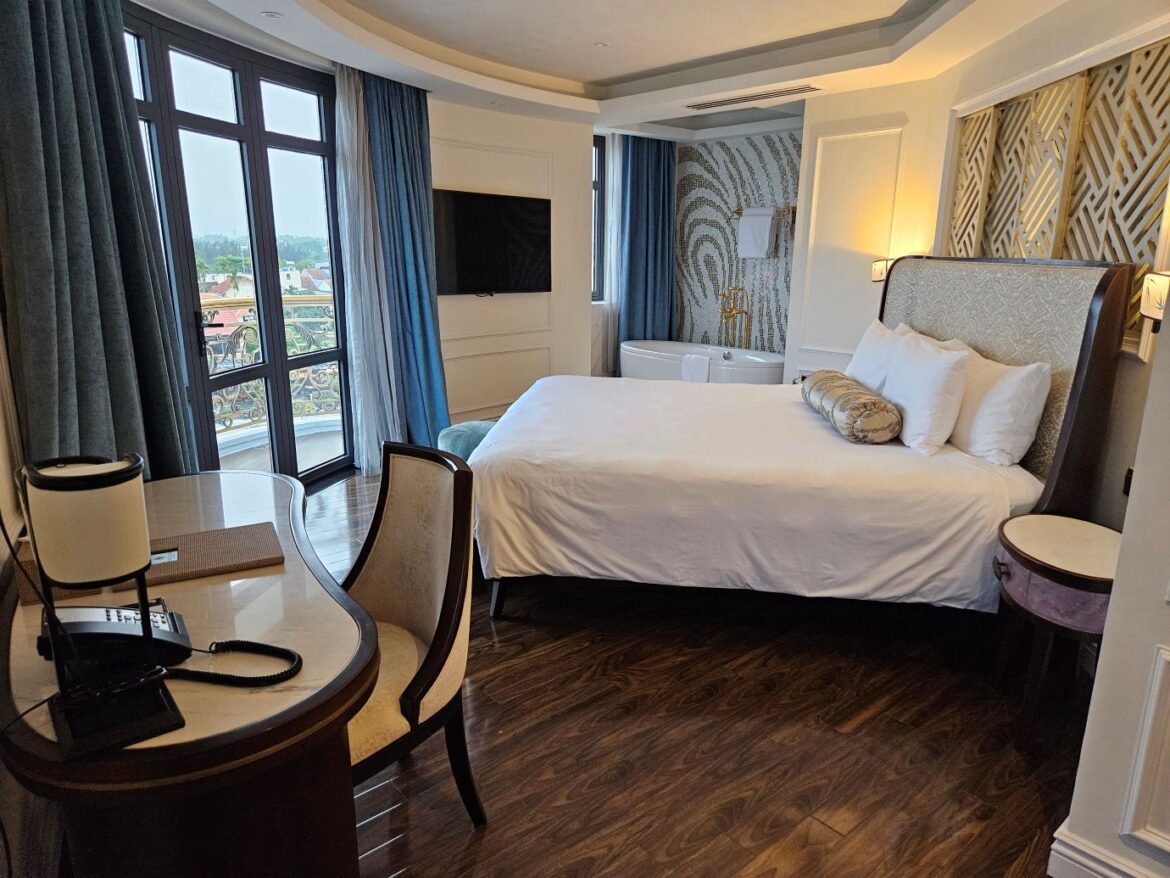
Travel has not returned to old patterns from a few years ago, instead it has fragmented. Stays tend to be shorter, travel plans shift faster, and many hotel guests arrive with mixed intentions rather than a single purpose. Work, rest, and entertainment now overlap within the same visit, and hotels of all ratings have adjusted to this reality without drawing attention to it.
These changes are seldom communicated and are often imperceptible. They are evident in things such as layout, service timing, and technology that helps things run smoothly but don’t add new capabilities. Most visitors are unaware of these changes, but they impact their entire experience. Some properties are even exploring ways to integrate digital entertainment options, like gaming. For example, guests may be able to use online casino comparison platform, like Bonus finder or similar, to discover and access online casinos via in-room tablets or apps.
What Is Driving the Shift in Modern Travel Behaviour
Travel behaviour has shifted less because of destination demand and more because of how people structure time. Schedules are looser, commitments overlap, and travel is expected to adapt rather than dictate pace. This means that many hotels are responding to pressure created by flexibility rather than volume.
Shorter, More Flexible Trip
Stays of just one or two nights have become more common. There are more midweek stays, as well as stays where the arrival is planned a day or two, as opposed to a week or more, in advance. Spontaneity seems to be king at the moment.
Blurred Lines Between Work and Leisure
Remote work has also helped to remove the boundary between business and leisure travel. Guests may take meetings from their room, then leave for local activities without changing location, and as a result, expectations have shifted.
Experience Over Excess
Large amenities and formal luxury signals carry less weight than they once did, and hotel guests increasingly judge value by ease, comfort, and relevance. Practical design, usable space, and smooth service delivery tend to matter more than scale.
Subtle Changes Guests Might Not Even Notice
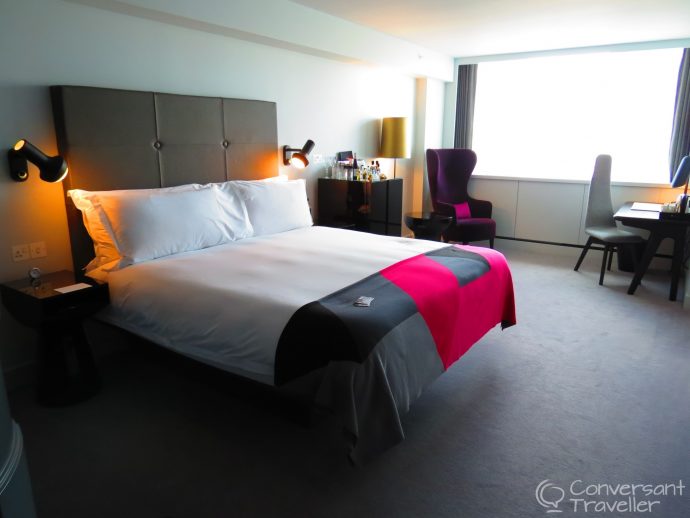
Most hotel adaptations are not framed as upgrades, and instead appear as small design or service decisions that reduce friction without drawing attention. The goal is not novelty, but function.
Smarter Room Design
Rooms are being designed for multiple uses without expanding the footprint. Desks double as dining surfaces, seating supports both posture and rest, and lighting is now layered instead of being fixed, which means that guests are able to change the mood without making any effort. However, these changes are not conspicuous, yet they affect the room’s usability for a given time of the day.
Streamlined Check-Ins and Digital Services
Arrival time for guests has been shortened, including mobile check-ins, digital keys, and contactless payments. Guests can either choose to interact with the receptionist, or use digital services so they can move around the premises quickly. This has reduced the need to print materials and make phone calls, which is a good thing for the planet, as well as the individual.
Flexible Spaces Beyond the Bedroom
Public spaces have different functions depending on the time and demand. For instance, the hotel lobby is a quiet workspace by day and a social space by night. The seating arrangements are not as structured, and the lighting is gradually changed, which makes it a flexible space for multi-purpose use.
Entertainment Is Becoming More Personal and More Digital
Entertainment offerings have shifted toward familiarity rather than spectacle. Guests expect access to content they already use, delivered without setup or explanation, and these days, control matters more than volume.
In-Room Streaming and On-Demand Content
Traditional television packages are being phased out in favour of streaming access, and many hotel guests can log into personal accounts on platforms such as Netflix or YouTube, mirroring home viewing habits. This reduces friction during short stays and avoids learning new systems.
Casual Gaming and Interactive Leisure
Gaming is no longer considered a destination feature but rather a short-form activity, and many properties provide gaming consoles, access to cloud gaming, and apps for short-form gaming sessions. This is good for filling in gaps in your daily schedule, as well as giving you the chance to unwind after a busy day at work or play.
Online Casinos and Digital Gambling Options
Some hotels have started to offer guests access to online casino platforms through in-room tablets or apps. This approach allows guests to enjoy digital gambling without travelling to the casino floor. The appeal is based around the idea of optional use rather than the spectacle of it all, which is a shift toward personal digital entertainment.
Food, Wellness, and Timing Are Being Rethought
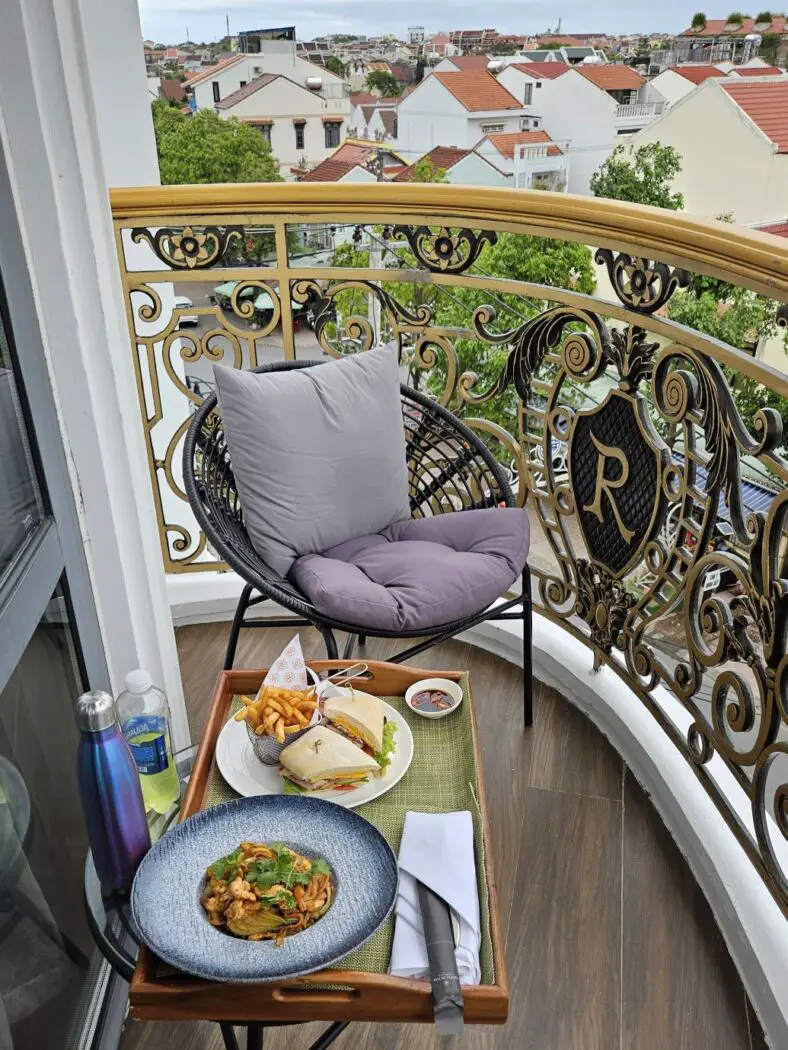
Service timing has become as important as service quality, and guests now expect options that fit irregular schedules rather than fixed windows. Hotels have quietly adjusted without formal overhauls so everything runs like clockwork in the background.
On-Demand Dining Over Formal Schedules
Meal periods are no longer fixed as they once were, giving people more flexibility over when they eat. Guests can grab a meal and go, and room service is now available over a longer period of time, which is great news for night owls. This allows guests to eat whenever they choose, giving them the power of decision.
Wellness That Fits Busy Itineraries
Wellness programs are also much shorter these days, with compact gyms, short-form fitness programs, and digital mindfulness programs all on offer. Only having full-day spa programs on the hotel menu is a thing of the past too, as these are unsuitable for many travellers who just don’t have the time to spare.
How Technology Is Powering Quiet Adaptation
Technology underpins many of these changes, but its presence is intentionally low-profile. The focus is on removing repetition and reducing effort rather than showcasing systems, which is clearly beneficial to all types of traveller.
Data-Driven Personalisation
Booking data and past preferences from hotel guests are used to adjust room settings and service prompts, to ensure personalise service to returning guests. Temperature, lighting defaults, and content suggestions can be aligned with previous stays, and when handled carefully and sensitively, this feels like continuity rather than surveillance.
Automation Without Losing the Human Touch
Most tasks are automated, freeing up staff to attend to more direct guest needs and therefore create a better impression. Human interface is key, particularly in the case of unexpected events, and the advanced technology of today helps to respond to these issues in a timely manner instead of replacing them.
What This Means for the Future of Hotels
Hotels are likely to continue this trend of changing through small, functional adjustments rather than dramatic, overt changes. Flexibility is also likely to continue being an important factor, given that travel styles will probably continue being fluid. Digital entertainment options, such as gaming and online casinos, are also likely to continue, without overshadowing traditional options. The changes may not be immediately evident to guests, but they will collectively make a difference to the customer experience.