
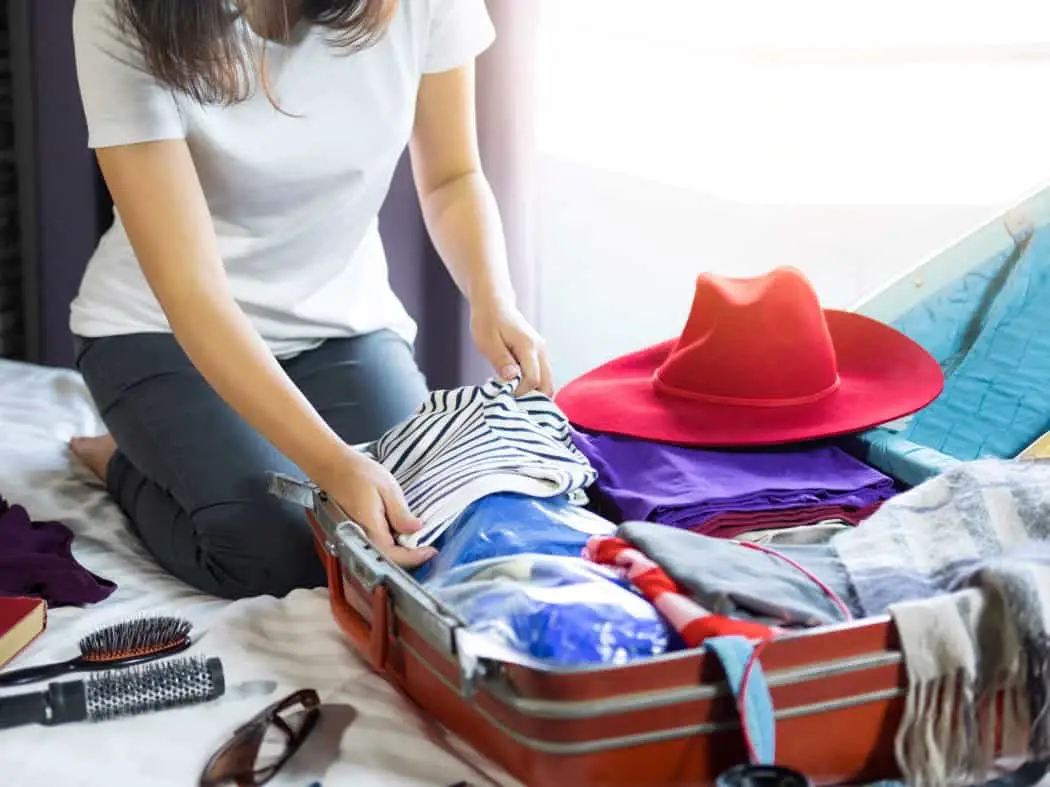
Most people have stood in front of a bulging suitcase wondering how it got so full, and most have landed at their destination and opened it to find half the contents untouched. Overpacking is one of travel’s most universal habits, and it almost never happens because we actually need everything we bring. It happens because of uncertainty, and uncertainty is hard to pack light against.
You pack for possibilities, not reality
The problem starts in the planning stage. Instead of packing for the trip you’re actually taking, most people pack for a version of the trip that covers every eventuality, like a formal dinner that might happen, a cold snap that probably won’t, and three outfit options for a single day out. According to National Geographic’s travel psychology research, the anxiety that surrounds travel often begins before the trip itself, with pre-departure stress encouraging people to over-prepare as a way of managing uncertainty. The result is a suitcase full of contingency clothing that never leaves its folded state, carried across airports and up hotel staircases for no practical reason.
The comfort factor behind overpacking
Familiar belongings provide a sense of grounding in unfamiliar environments, and there is genuine psychological logic to that. A favourite jumper, a known brand of toiletries, a well-worn pair of shoes. These small anchors reduce the cognitive load of navigating somewhere new. The issue is that comfort-packing rarely stops at one or two items. Once the logic of “just in case” takes hold, it tends to run through every category of clothing and toiletry until the bag is full. The comfort is real, but the return diminishes quickly, and at some point the weight of the bag creates more stress than the items inside it relieve.
Too many choices create friction
An overpacked bag doesn’t stop being a problem once you arrive, and it follows you into every morning of the trip. Standing in front of too many options slows down the simple act of getting ready and introduces a low-level mental overhead that accumulates across the holiday. Research cited in Psychology Today confirms that repeated decision-making depletes cognitive resources, making subsequent choices harder and more draining. Fewer items means fewer decisions, which means more mental energy for the things that actually matter, such as where to go, what to eat, and how to spend the day.
How to pack with more intent
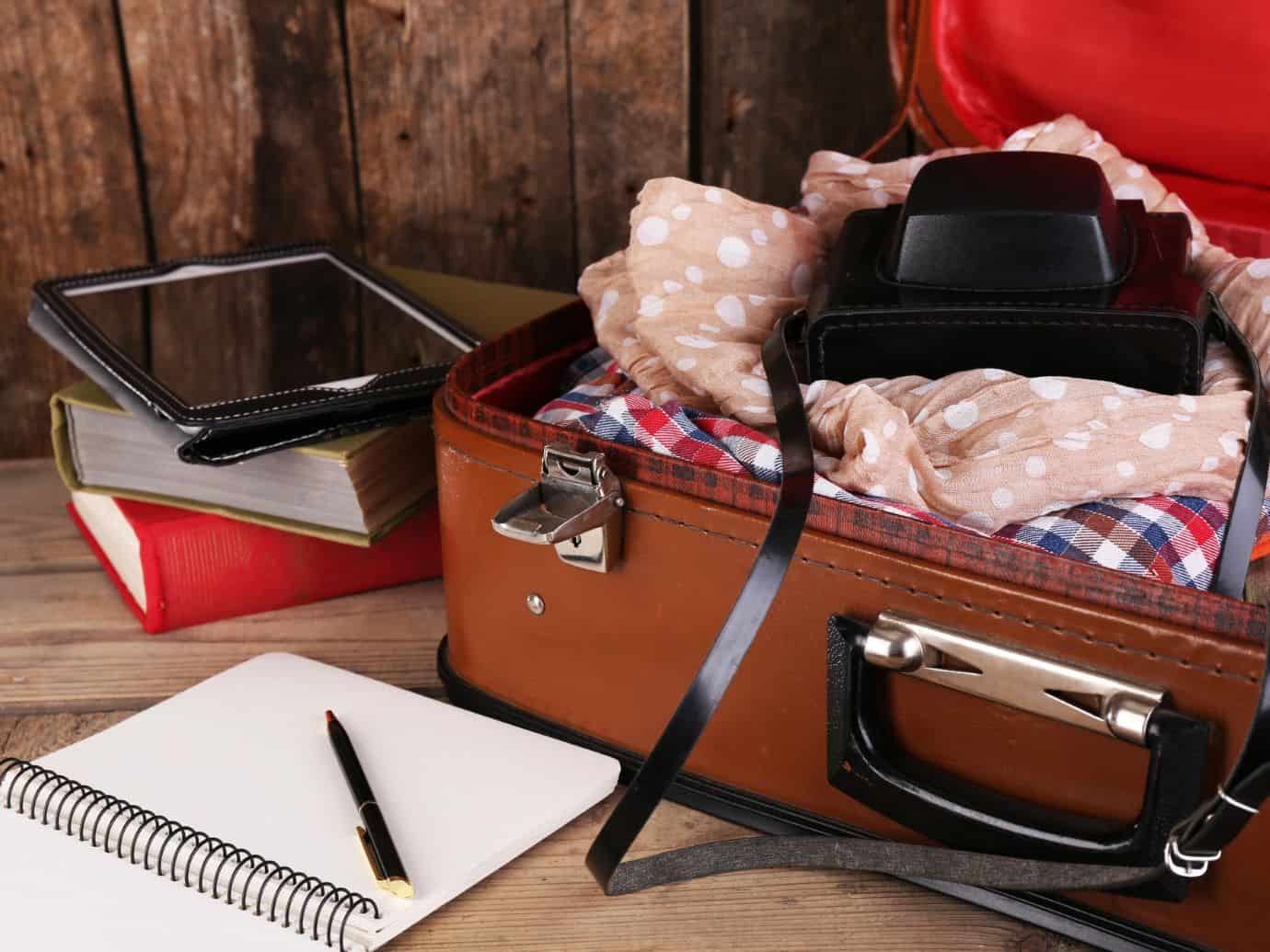
The most effective shift is moving from packing by category to packing by activity. Instead of asking “what might I need?”, ask “what will I actually do each day?” and pack only what those activities require. Versatile items earn their place: a jacket that works for both a walk and an evening out, shoes that cover multiple occasions, and low-weight entertainment that serves double duty. A couple of good books, for instance, take up minimal space but earn their keep across long journeys, delayed departures, and quiet evenings in, exactly the kind of item that justifies its place in any bag.
Lighter bags, easier trips
Packing with intent is ultimately about trust and trusting that you can handle the unexpected without having pre-emptively packed for it. Lighter bags make for easier trips, and easier trips make for better ones.