
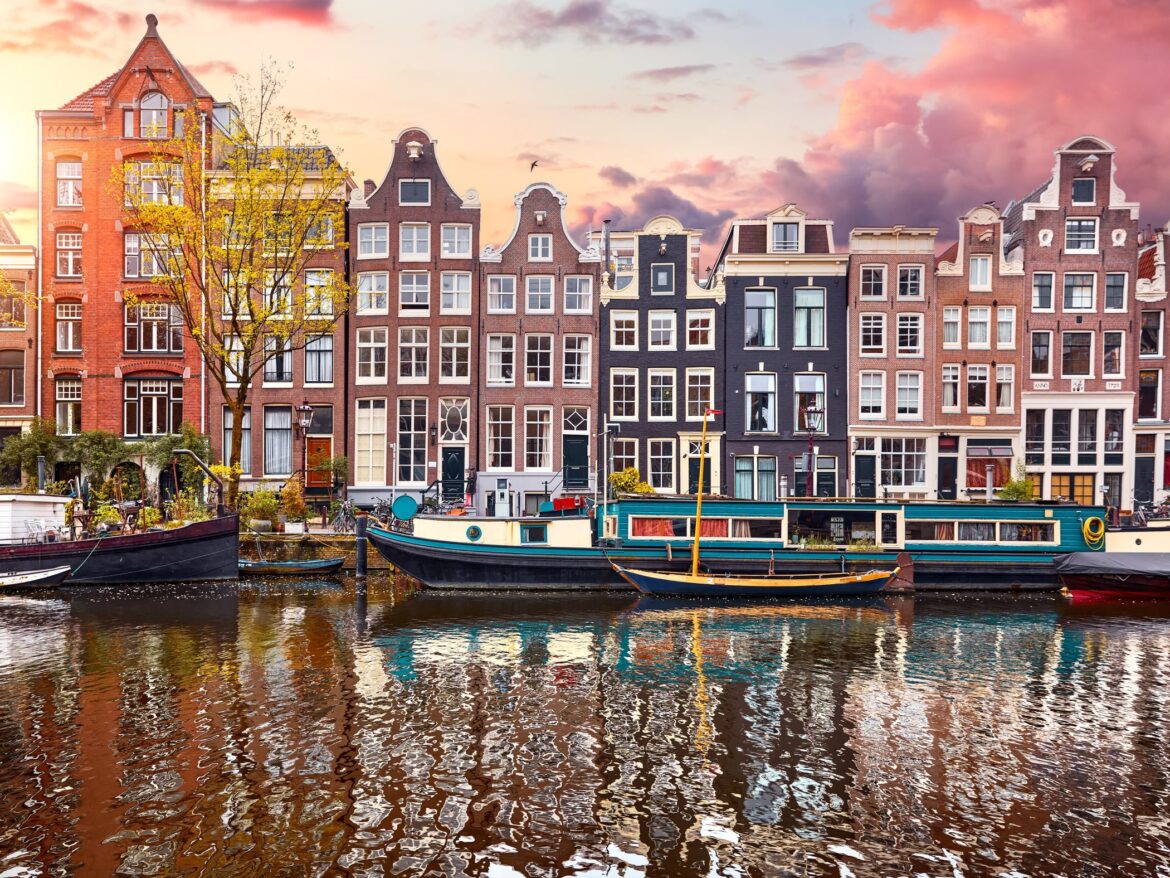
Amsterdam is a city that rewards slow exploration with everything from canals and narrow streets to historic buildings and markets characterising the lively neighbourhoods. While spread out, the sights are easy to explore on foot or by public transport. For a lot of visitors, the journey starts at Amsterdam Centraal, the city’s main railway station and one of its busiest transport points.
Start Your Visit Around Amsterdam Centraal
Amsterdam Centraal is more than just somewhere to catch a train, with its position making it a genuinely useful starting point for exploring the city. From the station, you can connect with trams, buses, metro services, ferries, and trains heading toward other parts of Amsterdam and the Netherlands.
Arriving early morning, or have several hours before an evening departure? Carrying large suitcases around the historic centre makes sightseeing a lot less comfortable. Planning luggage storage at Amsterdam Centraal helps when your accommodation check-in or check-out doesn’t quite match your travel schedule. A luggage storage option also helps travellers making a short stop in Amsterdam between trains or flights. Radical Storage’s one type of luggage storage solution is worth considering for wherever you leave your bags while spending time in the city.
Walk Towards Dam Square
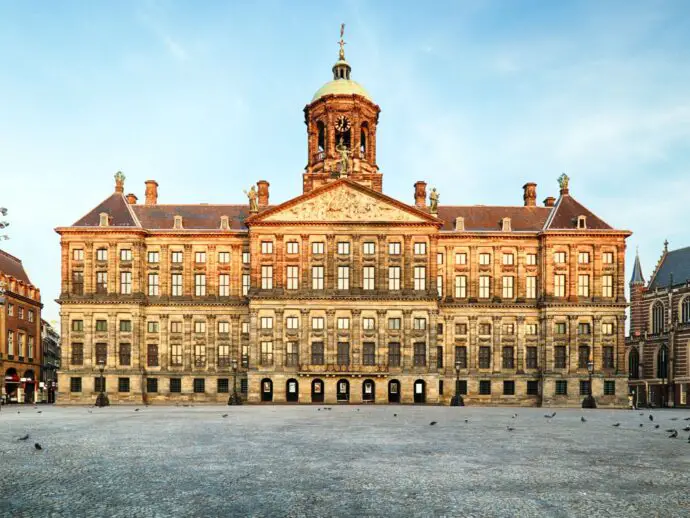
One of the simplest ways to get a feel for Amsterdam’s walking from the station toward Dam Square. The route passes through busy streets full of shops, cafés, restaurants, and historic buildings, with pedestrians everywhere. Dam Square sits surrounded by several notable landmarks, within easy walking distance of other central attractions. Instead of trying to see everything immediately, use the area as a starting point, gradually explore the surrounding streets from there.
Amsterdam’s centre gets crowded, especially during popular travel periods so keep valuables secure, and stay aware of bicycles and other road users. This is particularly important when walking through busy areas. You might want to consider visiting Amsterdam in spring or autumn to avoid the worst of the summer crowds.
Explore the Canal Belt
The canals are among Amsterdam’s most recognisable features, and walking beside them is an easy way to experience the city’s historic atmosphere. Instead of sticking only to the busiest tourist streets, wander through quieter canal-side areas and smaller bridges instead. The canal belt gives you plenty of chances to stop for coffee, lunch, or a short break. Photography fans find changing perspectives throughout the day, too, as sunlight reflects off the water and historic buildings.
A canal cruise is another option, if you want to see the city from the water instead of walking the whole day. Walking is still useful, though as it allows you to stop whenever an interesting street, shop, courtyard, or viewpoint catches your eye.
Use Public Transport Strategically
Amsterdam has an extensive public transport network connecting the central area with neighbourhoods farther from the historic centre. Trams are particularly useful for a lot of journeys within the city; the metro’s convenient for reaching areas farther from the traditional tourist centre. Ferries from around Centraal provide connections across the River IJ too.
Check how payment works before travelling. Amsterdam’s public transport system supports contactless payment through OVpay, meaning a lot of travellers can check in and out using a suitable bank card. For a short visit, combining walking with public transport saves time without turning the trip into a series of rushed journeys.
Leave Time for Local Neighbourhoods
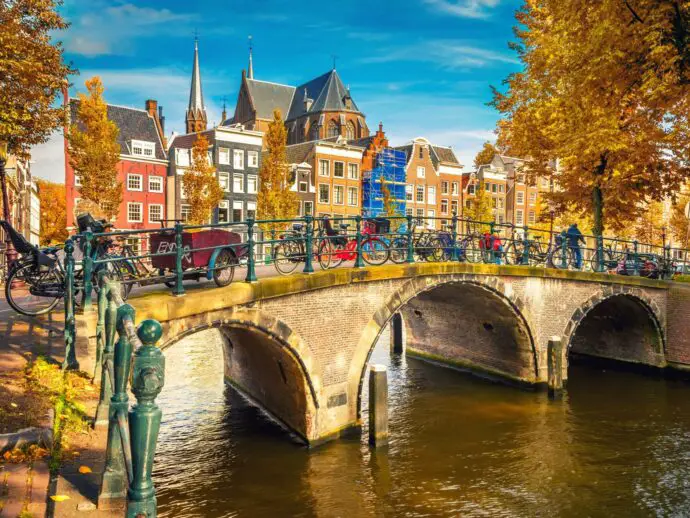
There’s more to Amsterdam than just the most famous attractions. Areas like Jordaan, De Pijp, and Amsterdam Noord offer different experiences, and help visitors see parts of the city beyond the central sightseeing route. Jordaan is known for narrow streets, canals, cafés, and its residential atmosphere while the De Pijp neighbourhood has a lively character with restaurants and shops. There’s also Amsterdam Noord, which lies across the River IJ and is reachable by ferry from behind Centraal.
Have several hours so play with? Picking one neighbourhood and exploring it properly is more enjoyable than trying to hit numerous attractions in a single afternoon.
Plan Around Your Departure Time
Travellers leaving Amsterdam by train should keep their departure time in mind throughout the day. Amsterdam Centraal connects the city with Schiphol Airport, other Dutch destinations, and international railway routes, which are an important part of a lot of European itineraries.
Give yourself enough time to get back to the station, especially during busy periods. Public transport delays, crowded platforms, unexpected queues, or just taking longer walking between locations can all throw off your schedule.
Checked out of your accommodation earlier in the day? Arranging somewhere suitable for luggage means you keep sightseeing without repeatedly going back to collect your bags.
A More Relaxed Way to See Amsterdam
A successful Amsterdam visit doesn’t necessarily need a tightly packed itinerary. The city’s compact central areas make it possible to combine major sights with spontaneous discoveries.
Start near Centraal, explore the canals, spend time in a neighbourhood, use public transport when distances get inconvenient, and leave enough time to get back for your onward journey. With thoughtful luggage planning and a flexible schedule, even a single day gives you a solid introduction to Amsterdam, without turning the trip into a race from one attraction to another.