
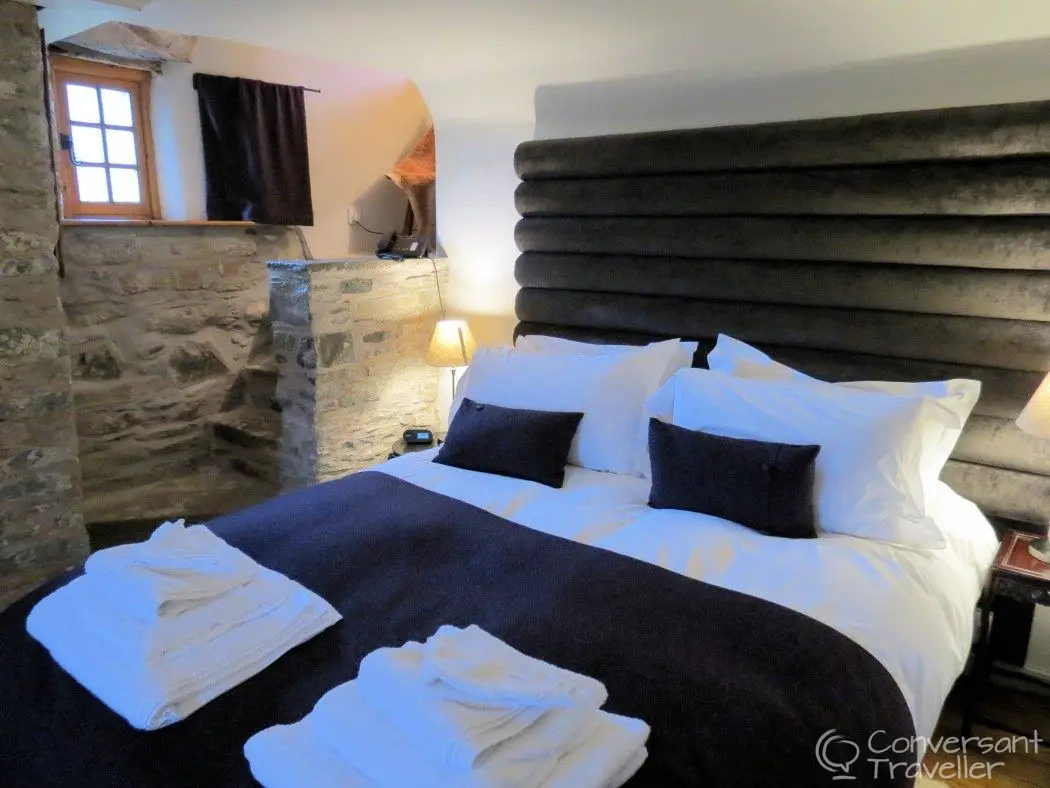
There is a very particular kind of happiness in sinking into one’s own bed after a trip. A person can have loved every minute of being away, can have slept in perfectly good hotels and seen wonderful things, and still feel their whole body unclench the moment they get back under their own duvet. That feeling is worth understanding rather than simply enjoying, because it reveals something useful about how to travel better and how to land more gently on the return.
Travel builds a debt, so protect the landing
Travel disrupts sleep more than most people are willing to admit while they are still having fun. Strange beds, odd hours, unfamiliar noises, time-zone shifts, and the low background alertness of being somewhere new all chip away at the quality of rest. A traveller can run on this deficit for a week or two on adrenaline and novelty, but a sleep debt quietly accumulates underneath, and the crash often arrives a day or two after getting home rather than during the trip itself. Knowing that pattern in advance makes it possible to plan around it.
Protecting the landing is the single most useful habit a returning traveller can adopt. Where it is at all possible, the first day back is best kept clear of anything demanding, with one slow morning set aside to reset rather than a diary crammed full from the moment of arrival. A tired body makes poor decisions, catches every passing cold, and recovers slowly, so charging straight back into full speed tends to backfire. The trip is not truly over until a person has slept properly in their own bed a couple of times and let the accumulated tiredness drain away.
Why your own bed feels so good

The bed itself is doing far more than most people consciously notice. A large part of why sleeping at home feels so restorative is simply that the bed fits the person perfectly: the right surface, the right pillow, the temperature they like, all the small details that they spent time getting right at some point and have since taken entirely for granted. It’s the same logic behind everything Simba makes for better sleep; the attention to support and temperature that a sleeper stops noticing precisely because it is working. A trip away is a useful reminder of how much that ordinarily invisible comfort is worth.
Use the contrast to assess your setup
The contrast that travel provides is genuinely valuable for honestly assessing one’s own sleep setup. Coming home tired and a little sleep-deprived is, oddly, the best possible moment to evaluate the bed a person sleeps in every night. If the return to one’s own bed feels like pure relief, that is a good sign that the setup at home is right. If, on the other hand, a person finds themselves quietly missing the hotel mattress, that is worth paying real attention to, because the bed slept in every single night should be the most comfortable one in a person’s life, not the one they escape from on holiday.
Reset the rhythm and the room
Re-establishing a normal sleep rhythm after a trip takes a few deliberate days, particularly after crossing time zones. The body clock needs help to resettle, and the most powerful tools are the familiar ones: consistent bed and wake times, plenty of morning daylight, and a return to the usual evening wind-down. Resisting the urge to nap heavily during the day, however tempting jet lag makes it, helps the night-time sleep consolidate and speeds the whole adjustment along. A few patient days usually restore the rhythm that travel scrambled.
Coming home also offers a natural moment to reset the sleeping environment itself, not just the schedule. Fresh bedding waiting on the bed makes the first night home feel like a genuine homecoming rather than a return to a stale room. Airing the bedroom, which has likely been shut up for the duration of the trip, and getting the temperature back to the cool, comfortable level that suits sleep, both help. Small acts of care towards the bedroom turn the return into something restorative rather than simply the end of the holiday.

An anchor worth investing in
There is wisdom in treating one’s own bed as the reliable anchor that makes adventurous travel sustainable in the first place. The traveller who knows they have a genuinely comfortable, restful place to come home to can throw themselves more fully into the discomforts and disruptions of being away, the early flights, the odd hours, the unfamiliar beds, because they know recovery is waiting at the other end. A good bed at home is not the opposite of travel; it is part of what makes a life of travel work.
Investing in the bed at home pays off in a way that is easy to overlook precisely because it is enjoyed every single night rather than on special occasions. People will happily spend on a holiday that lasts a fortnight and hesitate over the bed they will sleep in for the next decade, which is a curious imbalance when the numbers are laid out plainly. The bed is the most-used piece of furniture a person owns, and getting it right improves not one trip but every ordinary night in between the trips.
A soft place to land
Travel is wonderful, and so, just as genuinely, is the moment it ends and a person sinks into something that is entirely and comfortably their own. The two are not in competition; they complete each other. Looking after the bed at home, treating it as the foundation it actually is, means that every trip has a soft and welcoming place to land, and that the everyday nights between adventures are as restful as the adventures themselves are exciting.