European river cruises are fast gaining in popularity, and the surge goes far beyond the ancient towns and scenic sights. Today’s travellers, whether multigenerational families, couples, or even solo adventurers, are turning to river cruising as a way to explore Europe comfortably and in depth.
The waterways of Europe aren’t just for armchair cruisers, they are immersive and luxurious, offering front-row seats to some of the continent’s most captivating experiences. From the serene flow of a Danube river cruise to the romantic bends of the Seine, river cruises provide guests with an ideal blend of relaxation and cultural immersion with logistical ease and comfort.
In this article, we will break down some of the driving forces behind this rapid growth, and how they meet the needs of the modern traveller in the ever evolving global tourism landscape.
The rise of slow travel
In an age where luxury is often linked with speed, such as fast trains, skipping lines or priority boarding, a river cruise does exactly the opposite by slowing things down, not in excess, but in rhythm. Going on a European river cruise is a great way to embrace the concept of slow travel. It does so in an intentional way that encourages river cruisers to immerse themselves deeper in the culture, cuisine and customs leisurely, instead of rushing things like in a hectic bucket-list itinerary.
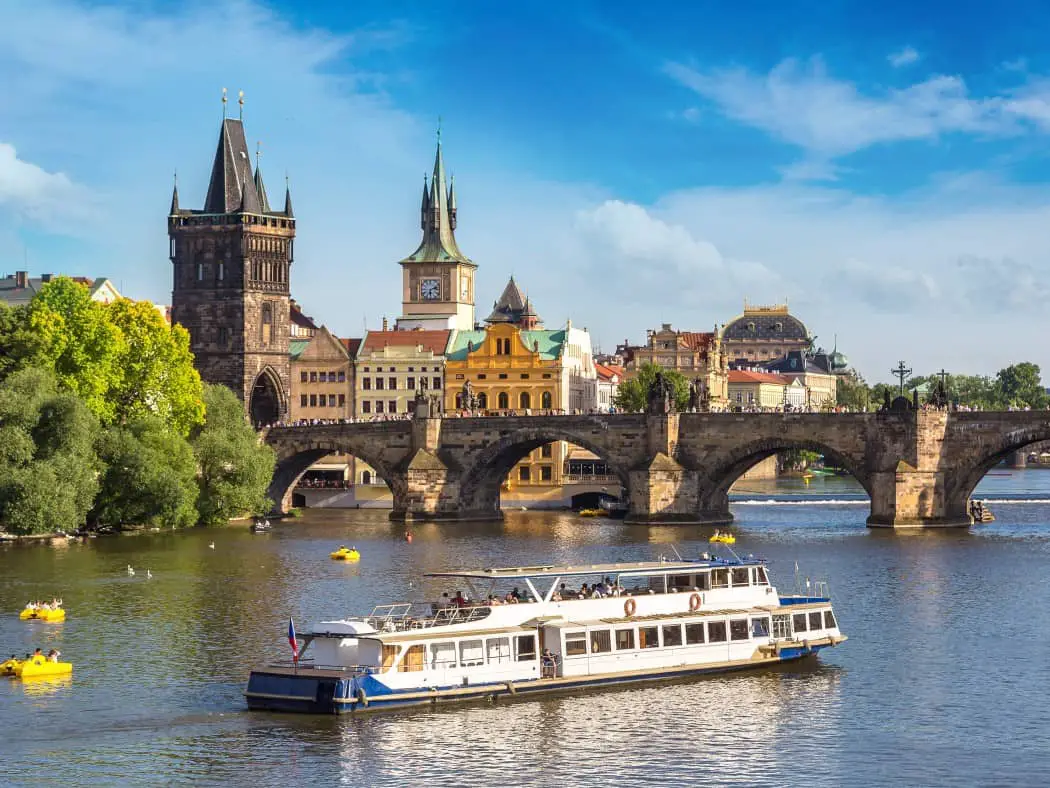
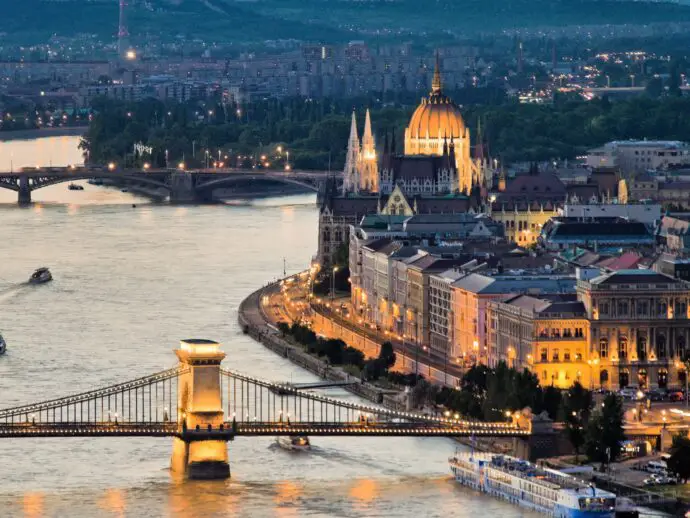
River itineraries, unlike ocean cruises, focus on smaller ports to step into storybook towns like Vienna and Budapest which are not accessible by large ships. With ample time, and docking in the heart of the town, passengers can enjoy interacting with locals, go on a guided your or dine in the neighbourhood tavern, all without the stress of constant packing and moving on.
Moreover, the gentle rhythm of the river provides a sense of tranquillity and calmness, which tourists crave for after years of hectic scheduling and rushed itineraries.
Luxury, not loud but meticulous
River cruise ships are shaped narrow to pass through the locks and under bridges. Because of this limitation, cabins provide floor-to-ceiling windows and lounges are designed to emphasise on providing scenic views over decor.
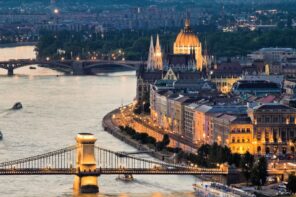
The cabins create an honest relationship with the landscape and are so designed to deliver breathtaking views without any effort. On the Danube you pass the Parliament building in Budapest at eye level, while in Vienna you can see all the historical landmarks from the water.
Builds familiarity quickly
Unlike thousands of passengers on ocean-going ships, river cruises cater to much fewer guests, even fewer than 200. This allows the crew to learn guest preferences fast. Drink brands become predictable and coffee orders arrive quickly.
In a short time, personalised service becomes the norm, quiet, attentive and consistent. By the third day, the experience feels almost residential, with small details like reliable Wi-Fi and thoughtful dining options, making one feel impressed, rather than supported.
Simplicity and the all-inclusive appeal
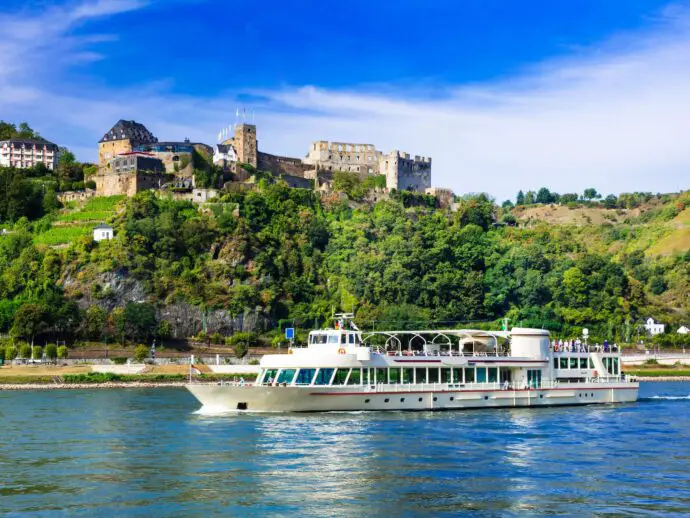
A major reason that has drawn more people to river cruising is its simplicity. Once you board the ship, you unpack just once and enjoy the comforts of a boutique hotel that sails past one country to another. Cabins often come with large full-length windows or balconies, which offer ever-changing views of castles, vineyards, the countryside and the ancient towns and cities that are on the route.
Most river ships offer all-inclusive pricing, which bundles accommodation, meals, transportation, shore excursions, drinks and even gratuities in one seamless package cost. This appeals to many travellers who want to eliminate all together the hassle of getting surprise bills at the end of the cruise.
Multi-country itineraries
Another key reason why more people are choosing to go on an European cruise is the advantage of visiting multiple countries with ease and in a short period of time.
This also avoids the fatigue involved with overland or air travel. The cruise on the Danube, for instance, passes through several capital cities, giving the guests an opportunity to explore their cultural sights and attractions seamlessly.
Also, since river ships dock in the heart of the city, passengers can avoid the long transfer times associated with air travel or ocean cruise terminals.
Final thoughts
As river cruise tourism continues to evolve, many companies have started incorporating pre- and post-cruise stay experiences to allow guests to relax and explore iconic arrival or departure cities in depth.
These extended journeys, go a long way in enhancing the overall cruise experience by combining land and water travel in one cohesive adventure.