
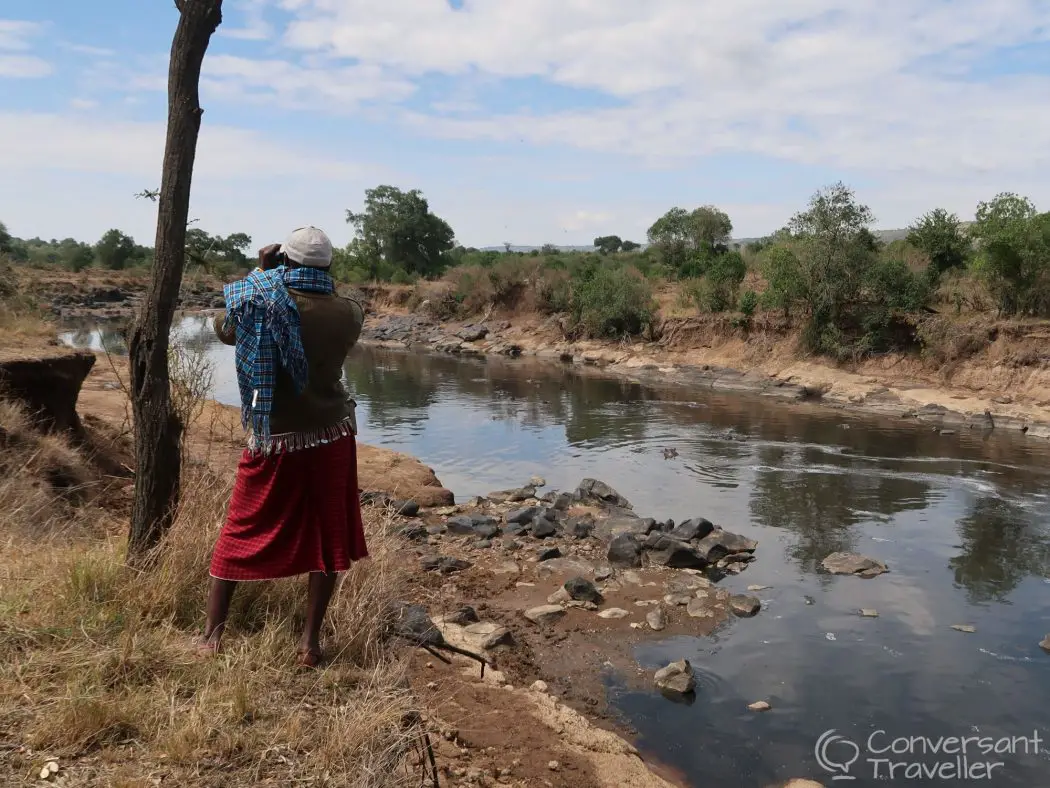
The thrill of East Africa’s wilderness is often what draws travellers in, but what happens behind the scenes is equally compelling. Many safari lodges today take a more holistic approach, protecting habitats, supporting local livelihoods, and ensuring tourism benefits the landscapes it depends on. Here are some of the things they do:
1. Conserving Habitat Through Presence
Safari camps act as a deterrent to illegal activities simply by operating in remote areas. Staff patrols, community partnerships, and collaborations with conservancies help maintain wildlife corridors and protect breeding grounds. In places like the Masai Mara or the Serengeti, this consistent presence contributes to the long-term health of the ecosystem.
Companies like Asilia work with a number of conservation groups and research teams, hosting scientists in the field and sharing wildlife data gathered by guides.
2. Empowering Local Communities
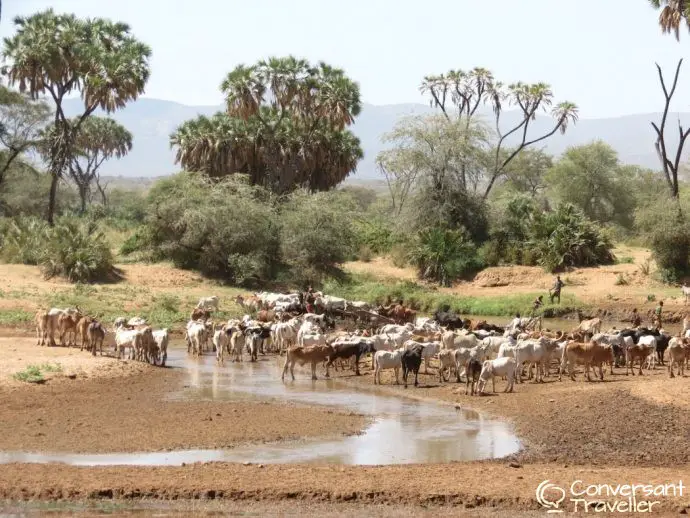
A successful safari industry relies on the people who live alongside wildlife. Many camps in East Africa, including those in the Asilia portfolio, prioritise hiring from nearby villages, providing training, scholarships, and long-term career paths.
This isn’t just a feel-good initiative. Studies across East Africa show that communities benefiting from tourism are more invested in protecting wildlife, reducing conflict and promoting sustainable land use.
3. Supporting Female Leadership in the Bush
One of the standout shifts in recent years is the rise of all-women teams in safari hospitality. Camps like Dunia in the central Serengeti, operated entirely by women, demonstrate how inclusive hiring practices can transform an industry traditionally dominated by men.
These teams challenge stereotypes, inspire younger generations, and showcase the depth of talent found in rural areas when opportunities are open to all.
4. Reducing Environmental Footprints
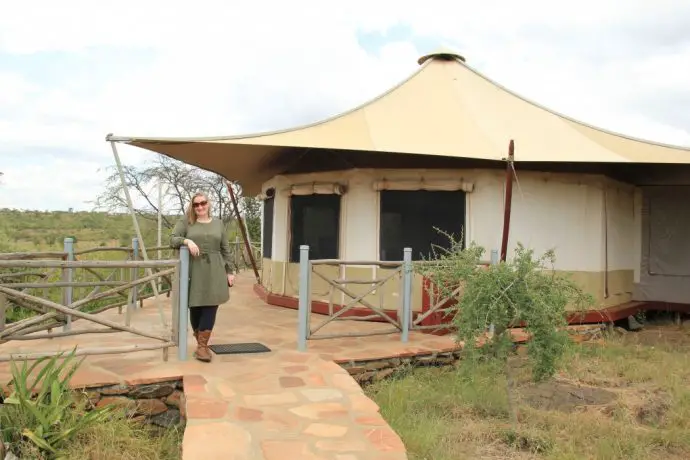
Temporary camps, solar power, wastewater treatment, and low-impact construction are becoming the norm across East Africa. Asilia, like many responsible operators, focuses on:
- Minimising generator use
- Reducing single-use plastics
- Managing waste at the source
- Designing camps that blend subtly into the landscape
Small decisions, solar fridges, eco-friendly toiletries, or greywater systems, add up to meaningful change.
5. Giving Travellers a Chance to Engage
Many guests appreciate understanding how their visit supports conservation, and East African camps often offer opportunities to learn more. Whether it’s chatting with a lion researcher over lunch or visiting a community project, these interactions deepen the safari experience without feeling forced or intrusive.
A Safari That Gives Back
The magic of an East African safari isn’t only in the wildlife spectacles, it’s in knowing the experience is part of a larger story. Operators like Asilia weave conservation, community support, and immersive wilderness travel into a single fabric, showing how tourism can be both transformative and sustainable.