
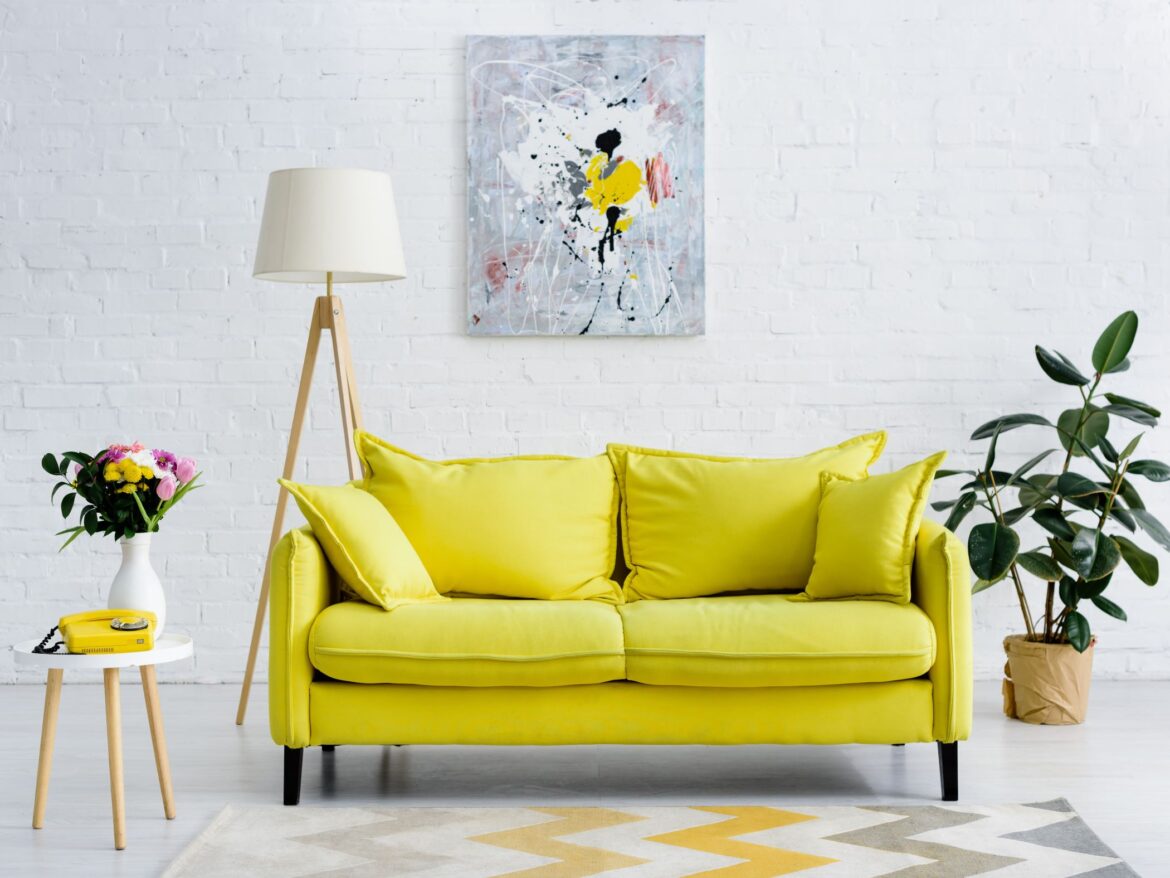
Modern lifestyle trends often seem to move in opposite directions. On one side, people are simplifying their homes, wardrobes and routines to create more space for clarity. On the other, fashion is becoming bolder, more experimental and more visually expressive. Yet both directions often come from the same desire: to live more intentionally and make choices that feel personal.
That is why the conversation around minimalist lifestyle benefits feels so relevant today. Living with less is not only about owning fewer things, it’s also about understanding what matters, reducing noise and creating room for the ideas, habits and styles that truly reflect who you are.
Why minimalism appeals to modern people
Minimalism has become popular because many people feel overwhelmed by clutter – not only physical clutter, but digital, emotional and mental clutter too. Busy schedules, constant notifications, fast shopping cycles and endless online trends can make life feel crowded. In response, people begin to look for ways to simplify.
A minimalist lifestyle encourages people to slow down and make more conscious decisions. Instead of buying more, keeping more and doing more, it asks a simple question: does this add real value? That question can apply to clothing, home design, daily routines, relationships and even personal goals.
The benefit is not emptiness, it’s clarity. When there are fewer distractions, it becomes easier to focus on what brings comfort, creativity and stability.
Minimalism as a foundation for personal style
Many people associate minimalism with neutral colours, clean spaces and simple wardrobes. While that can be part of it, minimalism is not limited to one visual aesthetic, because at its core, it is about intentional choice. A person can live minimally and still enjoy bold fashion, unusual silhouettes or futuristic details.
This is where personal style becomes interesting because when someone owns fewer items, each piece carries more meaning. A jacket, pair of boots or accessory is no longer just another thing in the closet, it becomes part of a carefully chosen identity.
Minimalism can actually make style stronger. Instead of being lost in excess, the pieces that remain stand out more clearly, and this allows people to experiment with fashion in a way that feels deliberate rather than chaotic.
The rise of expressive futuristic fashion
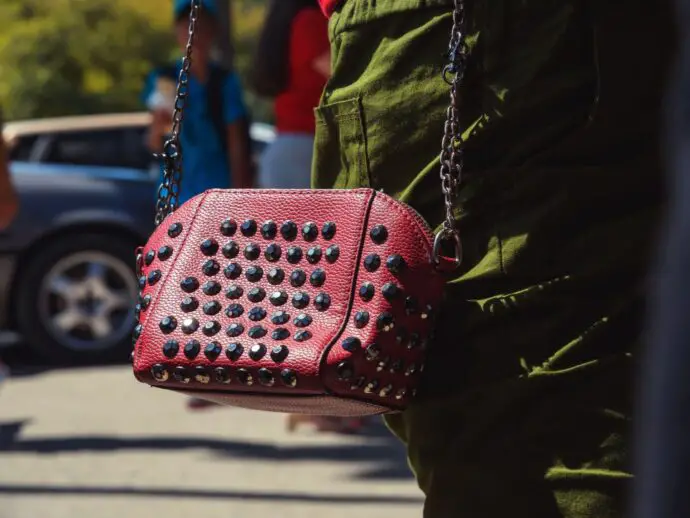
While minimalism focuses on simplicity, futuristic fashion explores individuality through contrast, structure and imagination. Styles inspired by technology, neon cities, dystopian films and digital culture have become more visible in streetwear and alternative fashion.
A good example is cyberpunk fashion since this aesthetic blends dark tones, metallic details, utility pieces, layered outfits and a futuristic mood. It is bold, but it can still be intentional. The best cyberpunk-inspired looks are not random combinations of dramatic items, instead, they’re are built around a clear visual idea.
This shows that expressive fashion and mindful living do not have to conflict. A wardrobe can be smaller, but still powerful, and a person can own fewer clothes, yet use them to create a strong and memorable image.
How simplicity and boldness can work together
At first, minimalism and cyberpunk style may seem completely different since one is calm and the other is intense, yet both can be built on selectivity. Minimalism asks people to remove what does not matter, while cyberpunk fashion asks them to choose pieces that create a specific mood.
This combination can lead to a more thoughtful wardrobe. Instead of buying every trend, a person might choose a few high-impact pieces: a structured coat, functional boots, dark layered basics, metallic accessories or a statement bag. These items can be mixed with simple essentials to create outfits that feel both practical and expressive. The result is a style that feels intentional as it doesn’t depend on having a huge closet. It depends on knowing what kind of image you want to create.
Lifestyle choices as a form of identity
The way people live and dress often reflects deeper values. Someone who chooses minimalism may be seeking calm, freedom and control over their environment. Someone drawn to futuristic fashion may be expressing creativity, independence and curiosity about the future.
These choices are not superficial, instead, they shape daily experience. A simpler home can make mornings calmer while a more specific wardrobe can make getting dressed easier. A bold outfit can change how a person feels in public, and together, these decisions influence confidence, mood and self-expression.
This is why modern lifestyle content often connects fashion, wellness, home organization and identity. People are not only looking for trends, they’re looking for ways to feel more aligned with themselves.
Building a more intentional everyday life
An intentional lifestyle does not require extreme rules. It can start with small changes, like clear one shelf, remove clothes you never wear, and choose outfits that feel authentic. You can also reduce unnecessary purchases and pay attention to what makes you feel calm, focused or inspired.
Minimalism can create the space for that reflection, and expressive fashion can bring personality into that space. Together, they show that living with intention is not about becoming plain or predictable, instead, it’s about choosing what deserves your attention.
In a world full of visual noise and constant pressure to consume, this balance feels especially valuable. People can live with less, but still express more. They can simplify their routines while building a stronger sense of identity, and they can use both lifestyle and fashion as tools for creating a daily life that feels clearer, more personal and more meaningful.