In almost every Moroccan neighbourhood, you will find a small building that many tourists ignore. And that is obvious, given there are no big signs or crowds, just locals walking in with a bag and coming out relaxed. This place is called a hammam. If you don’t know what it is, it’s time you learn about it and make sure you visit one of the hammams in Morocco the next time you travel.
But before that, check visa rules for Morocco. You need to specifically look for Morocco e-visa eligible countries because the requirements change based on your country. Once you are done with checking all the formalities off, you can easily visit a hammam when you arrive in Morocco. It costs very little and is open to anyone who follows basic rules.
Where It Comes From
The hammam actually started decades ago, when the Romans built public baths across North Africa. Later, Islamic culture shaped this practice. Cleanliness became important before prayer, and people used hammams for that.
In Morocco, hammams started becoming popular around the 8th and 9th centuries. They were strategically built near mosques and people visited both places as a part of their routine. And interestingly, you will find that routine still in existence even today.
More Than Just a Bath
Tourists see hammam as something special, and it’s one of the most popular things to do in Marrakech, but for locals, it’s not a luxury, it’s a habit. Locals go there every week to relax and meet others. You will find different spaces for men and women, and inside, everyone feels equal. People talk, laugh, and catch up with neighbours, and women especially use hammams as a safe space.
As people around the globe are more interested in local cultures than ever, tourism has grown in Morocco. In fact, over 17 million people visited Morocco in 2024. Many travellers now look for real experiences, and the hammam offers exactly that.
What Happens Inside
The process is quite simple. You move through three rooms: first, a warm room, then a hot room, and then a cooler space. The heat here is supposed to open your pores and clean your skin and you may feel the heat strongly at first but in a few minutes it starts to soothe your body and mind.
Important Steps
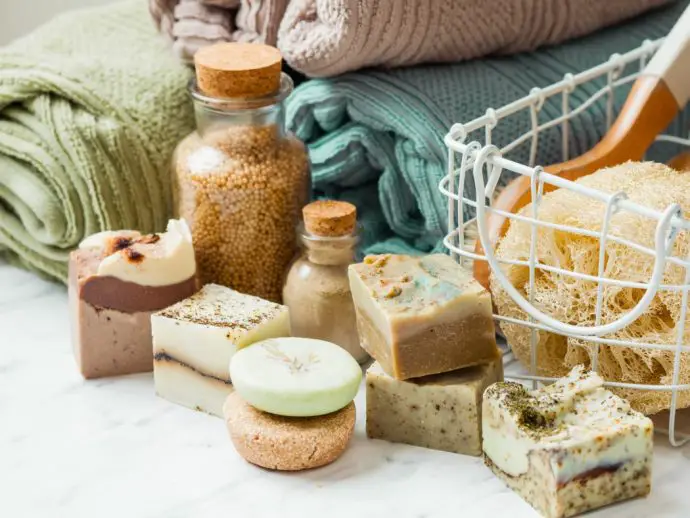
Two things define the hammam experience. The first is black soap which is known as savon beldi locally, which is made up of olives and olive oil, which is supposed to be applied on your skin.
The second thing is the kessa glove. It is a local scrub-like element that cleans your skin and you can use it yourself or an attendant can help you with it. It will surprise you to know how relaxing the scrubbing process itself feels.
Public or Spa Hammam
Commonly, Morocco will give you two options. One is a local hammam that is quite cheap, giving you a real and simple experience. You can sit with locals and follow the same routine. The second option is a spa hammam which is a little more expensive and a lot more luxurious. The only difference is about the massages and oils that are used here, and it feels more private and comfortable.
Both options work well. You just need to choose what suits you.
What You Should Know Before You Go
Carry your own items to a local hammam, including soap, a kessa glove, a towel, and a small mat. You can buy these easily in local markets. Wear a swimsuit bottom or use a small towel and tip the attendant at the end. Morning visits often feel calmer and less crowded.
Why You Should Try It
The hammam may sound simple, but it leaves a strong impact once you live the experience. It does not take much time or money, but it shows you the real Moroccan life. So, if you want to really understand Morocco, then hammam needs to be on your list.