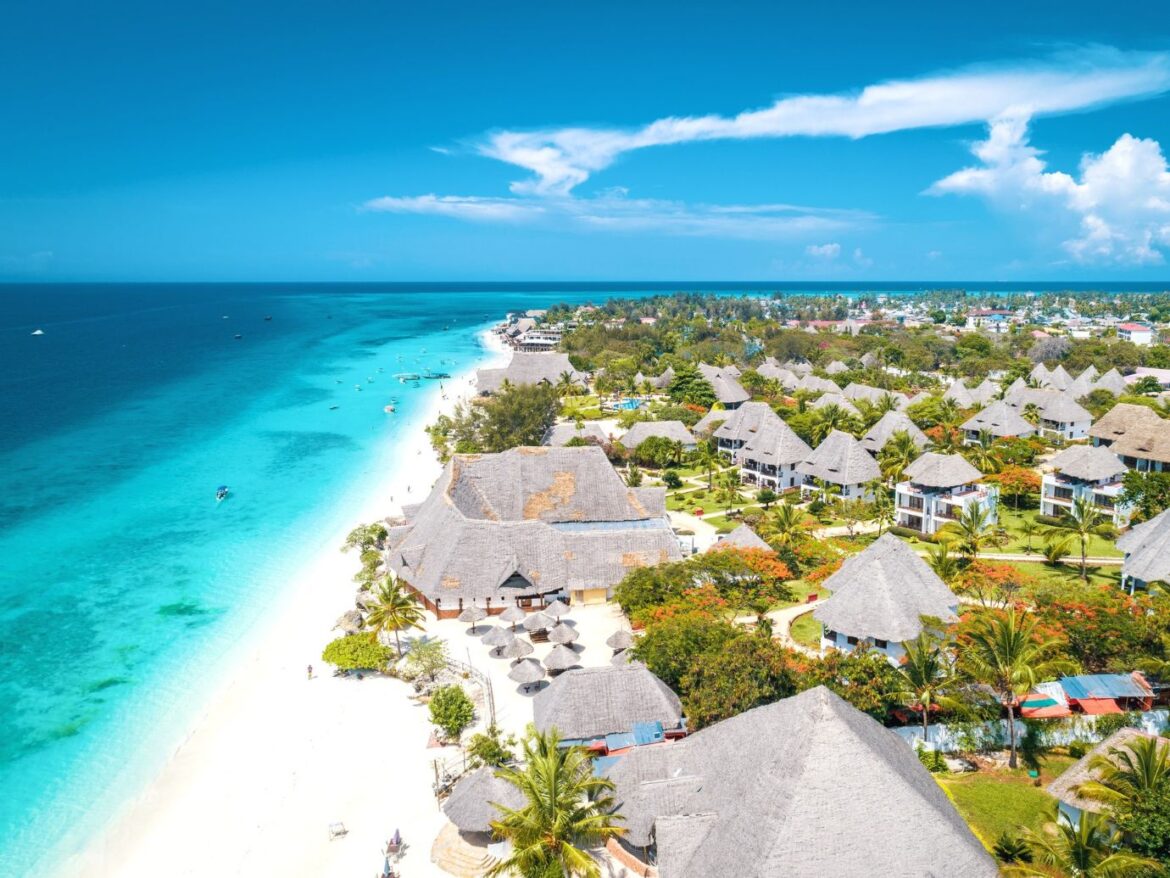
Zanzibar is a serene island archipelago with an awe-inspiring coastline, white sand beaches, and turquoise water lapping against the shotes. Famous for its picturesque setting, the island is characterized by a remarkable history and vibrant Swahili culture as well as its diverse marine life and tranquil beaches. Ranging from the twisting streets of Stone Town to the coral reefs in the Indian Ocean, Zanzibar offers an all-encompassing adventure for newlyweds, culture enthusiasts, and tourists who have an interest in exploring the windswept island off the coast of Tanzania.
Travel Insurance for Zanzibar
Before you pack your bags for Tanzania, it’s best to sort your travel insurance. This step gets forgotten far too often, and Zanzibar is not the place to skip it as the island sits far from major hospital infrastructure. If a water sports accident, a bout of food poisoning, or an unexpected illness puts you in a difficult position, the nearest facility equipped for serious care may not be close. Medical evacuation from Zanzibar to the mainland or back to your home country carries costs that run into thousands of dollars without coverage.
Beyond health, Zanzibar’s adventure-heavy itinerary of diving, dolphin cruises, and open water snorkelling carries its own set of risks that standard travel policies sometimes exclude, so always read the fine print. Make sure your policy covers water sports, emergency evacuation, trip cancellation, and medical treatment abroad.
A reliable place to start is this detailed guide on travel Insurance for Zanzibar, which breaks down exactly what coverage makes sense for this destination, what to watch out for in the fine print, and how to choose a policy that actually fits the kind of trip you are planning. Getting this right before you travel is not pessimism. It is the kind of preparation that lets you enjoy every other part of the trip without a second thought.
Plan your adventure in Zanzibar
The main gateway to Zanzibar is Abeid Amani Karume International Airport (ZNZ), which offers convenient connections to the wider region. The ideal time to visit Zanzibar is between June to October as well as from December to January, when the weather and the water is at its best. It’s a popular place, so its a good idea to book ahead – as TNA Magazine notes, the number of international tourists between 2025 and 2026 increased by 19.2%.

Best places to explore in the archipelago
Stone Town
Recognized as a UNESCO World Heritage Site in 2000, Stone Town reflects rich cultural values and civilization shaped through Arab, European, Swahili, Persian, and Indian traditions. The gorgeous architecture shows off local artistry that’s developed here through the centuries. For example, the barazas, or benches that are set out on verandas, the Zanzibar doors that get their distinctive brass studs from India, and lastly the balconies, which are intricately carved from rosewood or teak imported from India, portray the grandeur of wealthy merchants.
Revered as Spice Island
As the name suggests, Zanzibar is renowned for having a long-standing spice market that flourishes in the tropical climate. Spices dominating the global market include cloves, cinnamon, cardamom, nutmeg and mace, turmeric, black pepper, and vanilla. These spices and fragrances are used for everything from perfume making and wedding favours to international exports. Just wandering around the markets is an experience in itself, breathing in the smell of this ancient island culture.
Unspoiled coastal haven
The marine ecosystems are diverse in this divine set of islands. It’s a great place to enjoy water sports such as diving and snorkelling, with the Mnemba Atoll (covering the northeast coast) standing out as a great choice. Meanwhile, Chumbe Island Coral Reef shelters over more than 500 fish species, so this is an ideal spot for underwater adventures. Kiizimkazi, a town on the south coast, is well-known across the world for its bottlenose and spinner dolphin pods where animals can be seen in their native environment thrilling on early morning boat cruises.
Diverse culture
Here in Zanzibar there are several different communities, age-old customs, and lifestyles, making it a thriving cultural destination for tourists to experience. The main language within the region is Kiswahili (Swahili), a Bantu language that reflects Zanzibar’s Arab ancestry. Furthermore, the archipelago is predominantly ruled by the Sunni Muslim community, who comprise most of the population. In addition, people in Zanzibar are fond of Taarab music, Swahili poetry, African rhythms, and Arabic melodies, often using instruments such as the violin, oud, and qanun.
Tanzania is a destination that offers deep and varied experiences, which is why so many travellers choose this East African country for their holiday. On the mainland, there’s safari and natural landscapes, while the island of Zanzibar offers sandy beaches, centuries-old culture, and a relaxed vibe. It’s a great mix that keeps visitors returning time and again.