
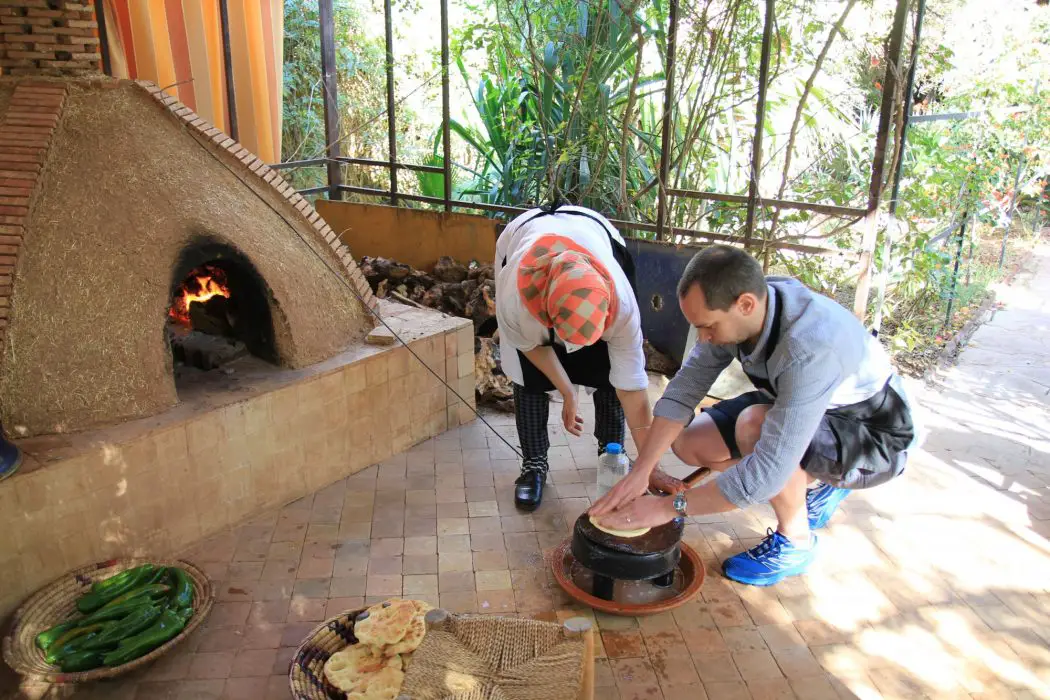
You can travel the world and learn clay oven cooking from the people who have mastered it for generations. These immersive stays combine accommodation, hands-on instruction, and cultural context, turning a trip into a working kitchen experience. You leave with real technique, not just photos.
Imagine arriving at a farmhouse just before dinner, where firewood snaps inside a dome of packed earth. A local cook presses dough against the inner wall of a blazing Tandoor, and within minutes, bread balloons and blisters. This is not a demo behind glass, it’ll be your turn next.
Food-led travel keeps growing in popularity as more travellers trade passive tours for practical skills. Clay ovens appear across the world, each shaped by local climate and ingredients.
1. Rajasthani Havelis With Tandoor Traditions
In Rajasthan, heritage havelis open their courtyards for intimate tandoor sessions that feel more like family gatherings than classes. Guests learn how to manage charcoal heat, prepare yogurt based marinades, and stretch dough for naan and kulcha before pressing it onto the oven walls.
A typical lesson includes several skills, including lighting and balancing charcoal heat, mixing spice blends for tikka and kebabs, hand shaping breads without rolling pins, and timing meats and vegetables for even charring. You’ll learn how to marinate paneer, chicken, or lamb for proper tenderness before skewering ingredients securely for vertical cooking and managing airflow to prevent flare-ups.
Booking tip: choose smaller family run properties for deeper interaction with home cooks. Dress modestly and expect to eat together at a shared table after the lesson, which is part of the hospitality. It might even inspire you to buy your own Tandoor ranges!
2. Turkish Cave Hotels And Anatolian Clay Ovens
Cave hotels in Cappadocia and boutique stays across Anatolia host clay oven workshops that blend rustic technique with refined presentation. Guests prepare pide, slow roasted lamb, and seasonal vegetables inside thick walled ovens built from local stone and clay.
Lessons usually cover things like controlling airflow through oven vents, stretching dough for oval shaped pide, and layering herbs and olive oil for depth, before coordinating multiple dishes in one oven.
3. Georgian Guesthouses With Tone Bakeries
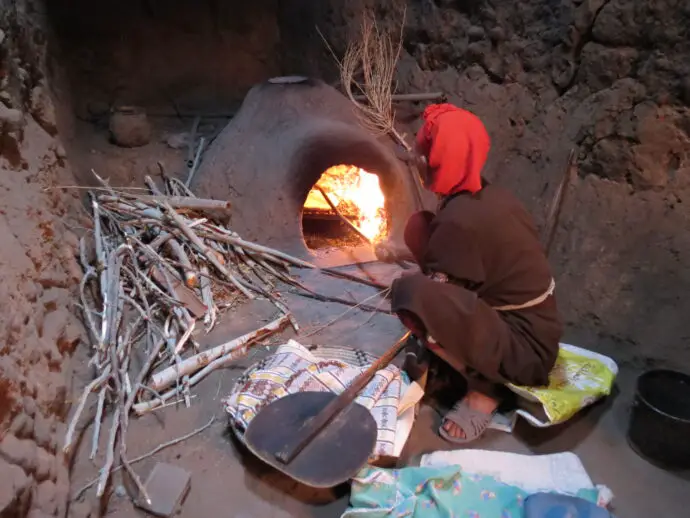
Georgia’s traditional tone oven is a clay cylinder built into the floor, and guesthouses in rural regions invite travellers to bake bread alongside hosts. The experience often centres on khachapuri and long loaves slapped onto the oven’s interior walls, similar to bread cooking techniques in Morocco. You will practice techniques such as kneading high-hydration dough, using wooden paddles to transfer bread, reading crust colour for doneness, and pairing bread with local cheeses and wines.
During your workshop you’ll also learn about controlling fermentation time based on room temperature and how to work quickly to slap dough onto the oven walls without it tearing. Once the bread is inside, you need to remember to rotate it for even browning.
Always respect local customs by asking before photographing kitchens and elders, and make sure you read up on the area before you travel!
4. Uzbek Homes With Tandir Lessons
In Uzbekistan, the tandoor oven sits at the heart of home cooking. Travellers staying in family homes often wake early to help prepare non-bread and marinated meats that cook against the clay interior.
With traditional Uzbek meals, expect a practical approach that covers elements like preparing plov alongside tandir dishes, understanding fuel choices for steady heat, and using long tools safely inside deep ovens. Here, serving bread as a symbol of respect so it’s a fantastic skill to acquire, and appreciate.
During your session you’ll be marinating lamb, chicken, or vegetables with regional spice blends, and then timing the cooking of dishes so that the bread, meat, and plov are all finished at the same time.
Bring a small gift, such as sweets or tea, when invited into a private home. Hospitality holds deep meaning, and participation in meal prep is seen as a gesture of friendship.
5. Omani Desert Camps And Sand Fired Techniques
Desert camps in Oman introduce travellers to shuwa, a dish slow-cooked in underground clay-lined pits. The preparation begins a day before serving, turning the meal into a shared ritual.
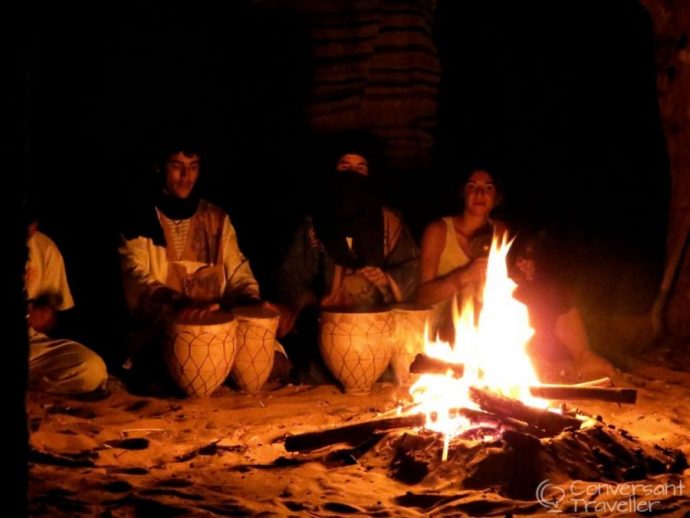
During the experience, you may season lamb with date syrup and spices, wrap meats in palm leaves, and discover how to seal underground ovens with sand. After the meal is cooked, you’ll tuck in, sharing stories around the evening campfire.
Hydration and sun protection matter in desert settings, so listen carefully to camp hosts, as safety around hot sand and buried ovens requires attention.
6. Cultural Etiquette Around Clay Ovens
Clay ovens often carry symbolic meaning tied to family and tradition, so entering that space requires awareness and humility.
Practical etiquette includes sashing hands before handling dough (or any food for that matter), accepting food with your right hand in many regions, and complimenting the host’s cooking sincerely. Always try to avoid waste at shared tables too.
Understanding these gestures deepens the experience and strengthens the connection between traveller and host.
Bringing Clay Oven Skills Home
Learning clay oven cooking abroad plants the seed for future culinary projects. Some travellers recreate small backyard ovens, while others incorporate techniques into professional kitchens.
Clay oven cooking remains one of the most tactile and communal ways to understand a culture. With the right stay, you do more than taste a region’s cuisine. You shape dough, manage fire, and carry home skills that keep those travel memories alive long after the journey ends.