Two weeks in Peru covers a lot of ground. Most itineraries include Lima, Cusco, the Sacred Valley, and Machu Picchu, with some travellers adding the Amazon or Lake Titicaca. That range of destinations means costs can vary widely depending on how the trip is structured. The total price depends on several factors: the type of accommodation, whether the trip is booked as a group tour or a private package, the time of year, and how much is included upfront.
A budget backpacker and someone booking a custom Peru tour package can both spend two weeks in the same country and pay vastly different amounts. This guide breaks down what a two-week trip to Peru typically costs across different travel styles. It shows the main price bands, what each one usually includes, and the specific factors that push the total up or down. International flights and travel insurance are not included in the figures below, as both vary too much depending on origin and personal circumstances to give a reliable estimate.
What a Two-Week Peru Trip Costs by Travel Style
Budget travel for two weeks in Peru often falls between $800 and $1,500 per person. This style covers basic hostel beds, shared transport, and entry fees handled directly at each attraction. Travellers choosing this route typically rely on local markets and low-cost restaurants for meals. Operators providing guided Peru tour packages at mid-range and premium levels offer structured alternatives with included logistics and professional support.
Budget Travel
Logistics like tour bookings and transfers are managed independently. This approach suits those who want to keep spending low and do not require daily guiding or personalised itineraries. Travellers on a budget often navigate local bus systems instead of private shuttles when travelling between cities. Planning activities directly with locally run tour offices in each city can mean better rates for excursions like day hikes or boat visits to Lake Titicaca. Typical missteps involve failing to book important tickets like the Machu Picchu entrance well ahead and missing out due to high demand, especially during peak season.
Mid-Range Group Tours
Many mid-range group packages are priced between $2,500 and $4,000 per person. In this price range, the package covers three-star hotel accommodation, guided access to key sites, internal transport, and most meals. Travellers share vehicles and follow set routes, helping lower the cost compared to private options. Within this tier, all the main archaeological sites and regional highlights usually feature on the itinerary, with day tours led by bilingual guides. Larger group sizes may mean slightly less flexibility in daily scheduling.
Custom and Private Itineraries
A custom or private Peru trip is often priced from $5,000 to $10,000 per person. This tier puts the focus on exclusivity. Itineraries are flexible and are adjusted according to personal interests, with support from dedicated logistics teams. Service at this level means airport transfers in private vehicles match travel plans, ensuring no delays or rushed connections.
What the Price Typically Covers
At the budget level, travellers cover their own accommodation and transport. These are usually basic hostels and shared vehicles. Entrance fees, such as for Machu Picchu, are handled as separate transactions and bought on arrival or through official sites.
Budget Inclusions and Exclusions
There is no guide included, so visitors manage their own logistics and navigation, and meals come mainly from markets or casual eateries. Common exclusions at this tier include all guided services, private transfers, premium activities, alcoholic drinks, tips, and travel insurance.
Group and Custom Package Inclusions
Mid-range group packages usually bundle accommodation, guided tours for major attractions, internal transport, and daily breakfast. Entrance tickets for Machu Picchu are almost always included. Some group packages include lunches or dinners, but travellers should check exactly what is scheduled on each itinerary.
Custom and private packages at the higher end cover nearly every detail that affects daily comfort and convenience. Private guiding comes standard at this level because it allows trips to be fully tailored. All internal transport is managed privately, meaning journeys between destinations are direct, vehicles are comfortable, and departure times adjust according to preference. Hand-picked four or five-star accommodation provides restful stays in prime locations, and most meals are included to make daily planning easier. Key entrance fees such as the Machu Picchu ticket, which ranges from $45 to $60 per person depending on the chosen circuit, are included.
Whatever your travel style, international flights, insurance, personal spending, alcoholic drinks, and tips for staff are normally not included.
The Factors That Move the Price
Where the journey goes shapes final costs for any Peru trip. A shorter route focused on just Lima and Cusco tends to cost much less than an itinerary adding regions like the Sacred Valley, Machu Picchu, the Amazon, or Lake Titicaca. Every extra stop means extra transport and entrance fees, plus more nights in hotels or lodges.
Length of Route and Destinations Included
Someone adding a stay in the Amazon Rainforest to their plan needs to consider extra flights or private transfers. Length also affects guiding and logistics, so a more complex route means more arrangements, and these can drive up prices.
Accommodation Standard and Seasonal Effects
Accommodation pricing for Peru varies based on region, comfort level, and booking channel. Hostels in Cusco or Lima can sometimes be found for under $20 per night through major booking sites. Three-star hotels in Cusco and the Sacred Valley are often priced between $80 and $150 per night. Specialist jungle lodges near Puerto Maldonado or the Amazon offer rooms ranging from $300 up to $600 per night and beyond, depending on comfort and what is included.
The timing of travel also changes prices. Peak tourism season, from June through August, brings the highest demand and the highest rates. Months like April to May and September to October often offer lower costs, more availability, and a quieter experience. Rainy season from November through March can reduce prices for accommodation and some tours, but heavy rain in the highlands may disrupt trekking or make some jungle activities impractical.
Private Guiding, Transport, and Activities
Deciding if a trip includes private guiding and transport or not has a major impact on overall cost. Choosing private vehicles and dedicated guides generally costs more than a shared group approach. Each private stretch, from airport pickups to individual Sacred Valley outings, increases daily spending compared to using buses or group vans. The difference can add up across a two-week journey, especially as every city, nature reserve, or archaeological site may require separate arrangements.
Internal Flights and Getting Around
A flight from Lima to Cusco is included in nearly every two-week Peru itinerary. One-way fares often range from $80 to $200, shifting depending on booking time and seasonal demand. Adding Puerto Maldonado for the Amazon or Juliaca for Lake Titicaca means two or three separate domestic flights may be necessary.
Domestic Flights in Peru
These extra routes add to total trip cost and, for those booking last minute, seat availability sometimes becomes an issue, especially during peak season from June to August. Travellers can save by securing internal flight tickets well in advance. Major Peruvian airlines operate regular routes, but delays and schedule changes remain possible.
Trains, Transfers, and Local Transport
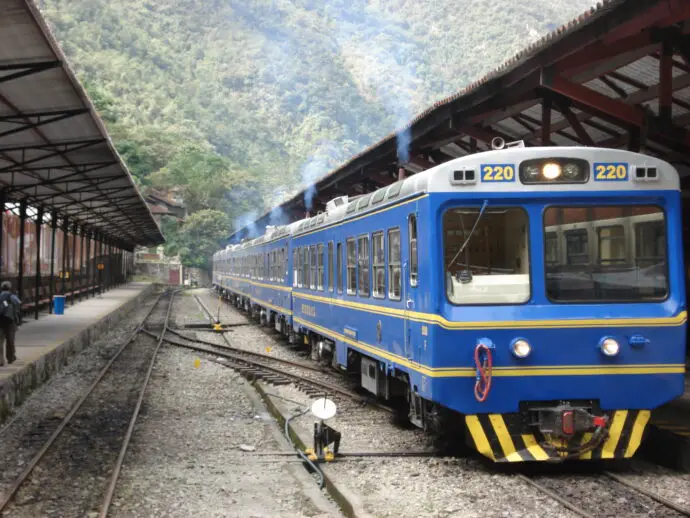
The train ride from Cusco or Ollantaytambo to Aguas Calientes, launching point for Machu Picchu, typically costs about $70 to $120 per person each way for standard class. Those choosing the Vistadome train or luxury Belmond options pay more, reflecting wider windows, meal service, and upgraded seating. A return trip doubles the cost, and planning ahead helps ensure seats, especially around July and August.
Mid-range and luxury packages usually include these train tickets and station transfers as part of the quoted rate. Budget travellers buy each journey separately, and because popular departures sell out, booking early is smart.
Two weeks in Peru can cost under $2,000 on a tight budget or well over $10,000 on a fully private itinerary. The gap between those figures comes down to accommodation category, the level of guiding, how many destinations the route covers, and whether travel arrangements are handled by an operator or arranged independently.