
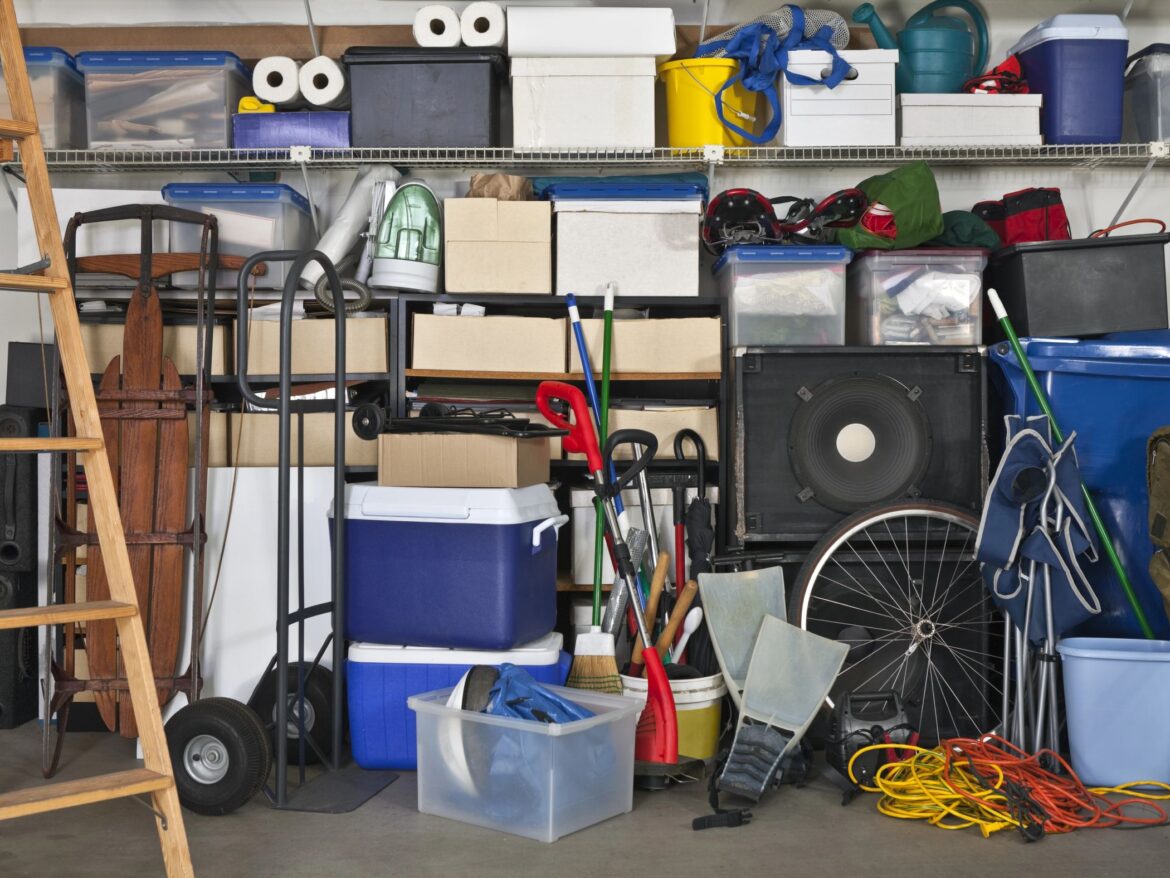
For adventure-loving travelers, a well-equipped garage is the ultimate foundation for any successful journey. The three most effective upgrades to pack gear effortlessly are installing a heavy-duty maintenance station, utilizing vertical storage systems, and building a dedicated gear-staging command center. Implementing these structural garage organization improvements transforms cluttered storage areas into highly functional launch pads.
By establishing permanent zones for inspection and methodical loading, travelers achieve true adventure readiness and depart on schedule. The night before a big trip rarely goes as planned for most overlanders. Moving a stack of recovery boards just to reach a buried hydraulic jack drains crucial pre-departure energy. It is in these disorganized moments that momentum stalls, often due to the structural setup rather than the gear itself.
A properly equipped space determines how fast a vehicle can be prepped, how confidently it can depart, and how completely it can be packed.
1. Build a Heavy-Duty Maintenance Station
Most pre-trip breakdowns are not mechanical surprises; they are the result of skipped inspections because the process was too inconvenient. Crawling under a loaded truck on a creeper to check brake lines is a tedious experience. Consequently, many vehicle owners skip these critical checks until a component fails miles away from the nearest service shop.
A dedicated maintenance station changes this dynamic entirely by offering a stable work surface and safe access to the undercarriage. To safely manage the substantial weight of fully loaded expedition vehicles, proper structural support is required. Using high-capacity solutions alongside standard jack stands and ramps, such as HeavyLift Direct’s garage lift models, puts an SUV at an ergonomic working height rapidly.
Brake line inspections, suspension checks, and fluid changes transition from floor-level ordeals into efficient tasks. Creating a workplace free from recognized hazards that are causing or likely to cause death or serious physical harm is essential for safe and solo preparations.
2. Maximize Workspace with Vertical Storage Solutions
Floor space is a fixed resource that disappears rapidly when outfitting an expedition vehicle. Gear inventories consume a garage floor with alarming speed, making it difficult to even walk around the parked vehicle. The most effective solution is to shift the storage footprint vertically using wall-mounted shelving systems and ceiling racks. Organizing equipment by category and keeping the floor entirely clear streamlines the retrieval process.
Assigning recovery gear to one wall and staging camp kitchens overhead ensures that pre-trip loading involves targeted retrieval rather than chaotic rummaging. When installing these high ceiling systems, remember that fall protection requirements include guardrails, safety nets, or personal fall arrest systems for elevated platforms. Incorporating a four-post drive-on lift adds a dimension to vertical storage that significantly impacts overall garage organization. The footprint underneath transforms into functional flat storage for large or awkward gear like spare wheels and folded rooftop tents.
Combined with comprehensive wall and ceiling systems, utilizing vertical vehicle elevation effectively doubles the usable capacity of a standard two-car garage. When every piece of gear has a fixed home, travelers can retrieve trip-critical items efficiently. This systematic approach leaves no room for last-minute discoveries of missing equipment or stressful repacking sessions.

3. Create a Gear-Staging Command Center
Packing is the phase where adventure readiness frequently breaks down into chaos. Gear often gets loaded into a vehicle in the order it is remembered rather than the order it is needed. Heavy coolers end up crushing softer items, and inefficiently packed roof racks force travelers to climb over interior cargo. A dedicated gear-staging command center resolves these logistical bottlenecks at their source.
Designating a specific zone exclusively for assembling gear before loading creates immediate operational clarity. Items are pulled from wall racks and arranged on the staging surface in a meticulous, logical load order. It is crucial to use mechanical handling equipment or team lifting for loads over 50 pounds to reduce the risk of musculoskeletal disorders. Adjusting the vehicle to an ergonomic working height means truck beds and roof rack mounts are easily accessible without dangerous overhead lifting. This staging strategy eliminates the need to bend or crouch awkwardly, making the loading process methodical and physically sustainable.
Using modular bins and consistent packing categories reinforces this system across all future trips. When navigation, shelter, and medical supplies all have designated containers, the pre-departure checklist transforms into a simple visual confirmation.
Final thoughts
A heavy-duty maintenance station, a vertical storage system, and a gear-staging command center form a cohesive ecosystem that fundamentally changes the pre-departure experience. High-level garage organization directly enables long-term adventure readiness for any serious traveler embarking on an epic road trip.
When maintenance workflows are reliable, and gear follows a logical retrieval path, the garage ceases to be a source of stress. The time and energy saved during preparation translate directly into more time enjoyed off the grid. Establishing this ecosystem begins by addressing the structural layout of your current workspace.
By prioritizing efficient vehicle access and maximizing vertical storage capacity, any standard garage can support seamless trip preparations. Treat equipment storage and vehicle maintenance as integrated disciplines to ensure every journey starts with a balanced load.
Explore how these structural upgrades can enhance your travel experiences and keep your expedition vehicle ready for whatever lies ahead.