What started as a bid to revive a post-industrial coastal town has become South Korea’s most internationally recognized summer event. The mud was always there, but it took a pharmacology professor and a local mayor to turn it into something the world would fly for.
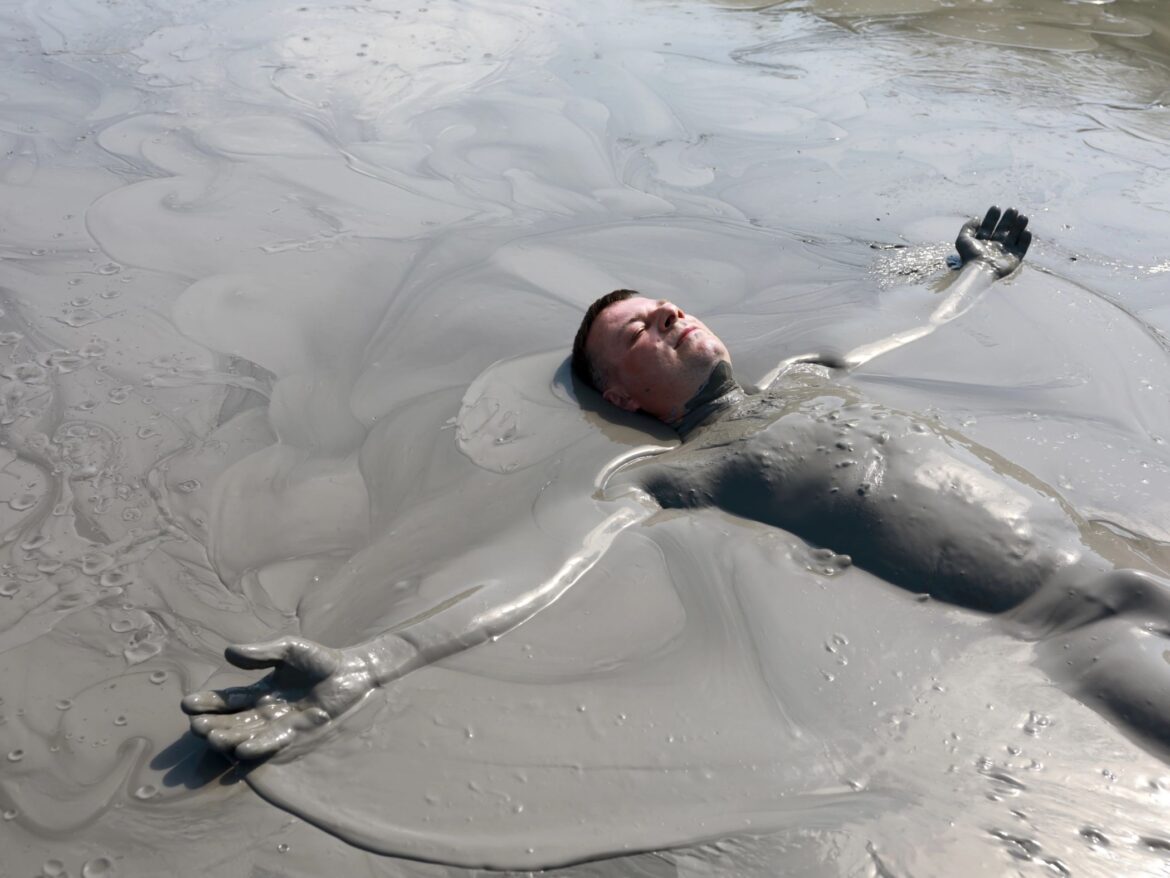
By mid-morning on a July weekend at Daecheon Beach, the water has already turned an unusual shade of brown. Several thousand people are in various states of mud-covered exhilaration sliding down inflatable slopes, wrestling in waist-deep pools, and queuing for the Steel Mud Challenge, a rotating pole mechanism that deposits participants into a pit of it whether they are ready or not. International visitors who made the trip from Seoul, Tokyo, or further need to check their K-ETA status before booking flights to Korea. This is the Korea Electronic Travel Authorization, which most eligible foreign nationals must apply for online in advance of arrival. What they applied for it to reach is this: the Boryeong Mud Festival, one of the more unlikely origin stories in the global events industry.
The festival has been held annually since 1998, growing from a four-day local promotion into a 17-day international event that draws approximately two million visitors each year. In 2026, the South Korean government officially designated it a “Global Festival,” a classification awarded by the Ministry of Culture, Sports and Tourism and the Korea Tourism Organization to events capable of driving inbound tourism at scale. Boryeong will receive 800 million won (approximately $570,000) annually for three years, with the explicit aim of more than doubling its foreign visitor count. The investment arrives as South Korea recorded an all-time high of 18.7 million international arrivals in 2025, its best year for inbound tourism ever.
The Crisis That Created It
The city of Boryeong, on the Yellow Sea coast in South Chungcheong Province, about 200 kilometers south of Seoul, entered the 1990s in difficulty. Its coal mines, the region’s primary industry closed early in the decade. The beach at Daecheon was considered a liability, and its mudflats were seen as dirty and unappealing, and tourism reflected it.
The change began in 1994 when Mayor Park Sang-don came across research by Professor Kim Jae-baek of Wonkwang University demonstrating that Boryeong’s tidal flat mud was unusually rich in bentonite and germanium, both compounds with documented skin benefits. A mud spa opened that year; by 1995, and the city was developing eight mud cosmetic products. The commercial effort stalled and in 1998, Professor Jung Kang-hwan of Pai Chai University proposed an event to replace the marketing campaign. The first Boryeong Mud Festival ran from July 16 to 19, 1998, drawing more visitors than anyone had planned for.
What the Mud Actually Does
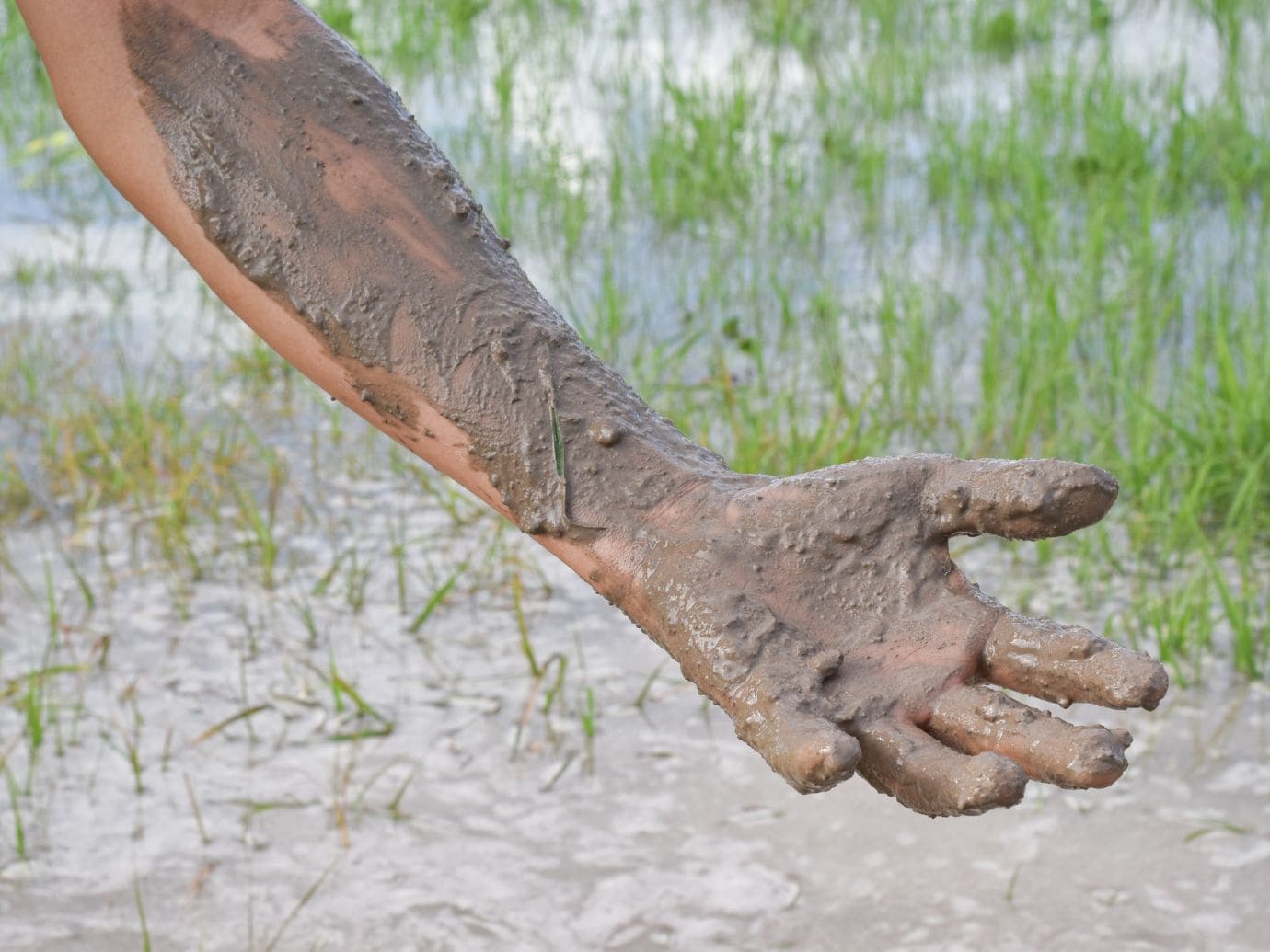
Boryeong’s mud is dense in bentonite, a clay mineral that draws sebum and impurities from pores, and germanium, associated with antioxidant effects. The combination attracted commercial interest when Professor Kim’s research circulated in the 1990s. According to Korea.net, the festival’s original goal of promoting cosmetics has long been superseded by the event itself. A small seafront market still sells mud cosmetics during the festival, although most visitors are too busy being submerged in the product to buy it.
What 28 Years of Iteration Built
By 2007, the festival was attracting 2.2 million visitors and it has since won 10 consecutive Pinnacle Awards from the International Festivals and Events Association. The 2026 Global Festival designation arrives at a moment when South Korea is at a tourism high. According to Travel Weekly Asia, South Korea recorded 18.7 million international visitors in 2025, surpassing the 2019 record of 17.5 million, driven by global appetite for K-culture. The government has set a target of 30 million visitors by 2029, and Boryeong’s new branding positions it as a key vehicle for pushing that growth beyond Seoul into the regions.
The 2026 funding package will support new experiential content for international audiences, infrastructure improvements, and promotional partnerships with major global festivals. The multilingual atmosphere of Daecheon Beach in July now reflects arrivals from across Asia, Europe, and North America.
What the Festival Actually Looks Like
The mud experience runs across three main zones at Mud Expo Plaza on Daecheon Beach. The General Zone is the festival’s core: mud wrestling, mud slides, and the obstacle courses that have driven the event’s international reputation since the beginning. The Family Zone adapts the experience for children with lower-intensity mud activities, while the Water Park Zone adds clean water play alongside the mud. The Steel Mud Challenge, the rotating pole mechanism introduced in recent years, has become one of the most photographed moments in the festival and one of the hardest to walk away from without re-joining the queue.
The evening program has grown considerably. The 2025 edition featured the World DJ Festival with Showtek, K-pop broadcasts through Mnet’s M Countdown and KBS K-POP Super Live, and a Republic of Korea Air Force Black Eagles aerobatics display that stopped the mud play entirely for its duration. A drone light show runs nightly over the sea. The mud is the context now; the programming is the festival.