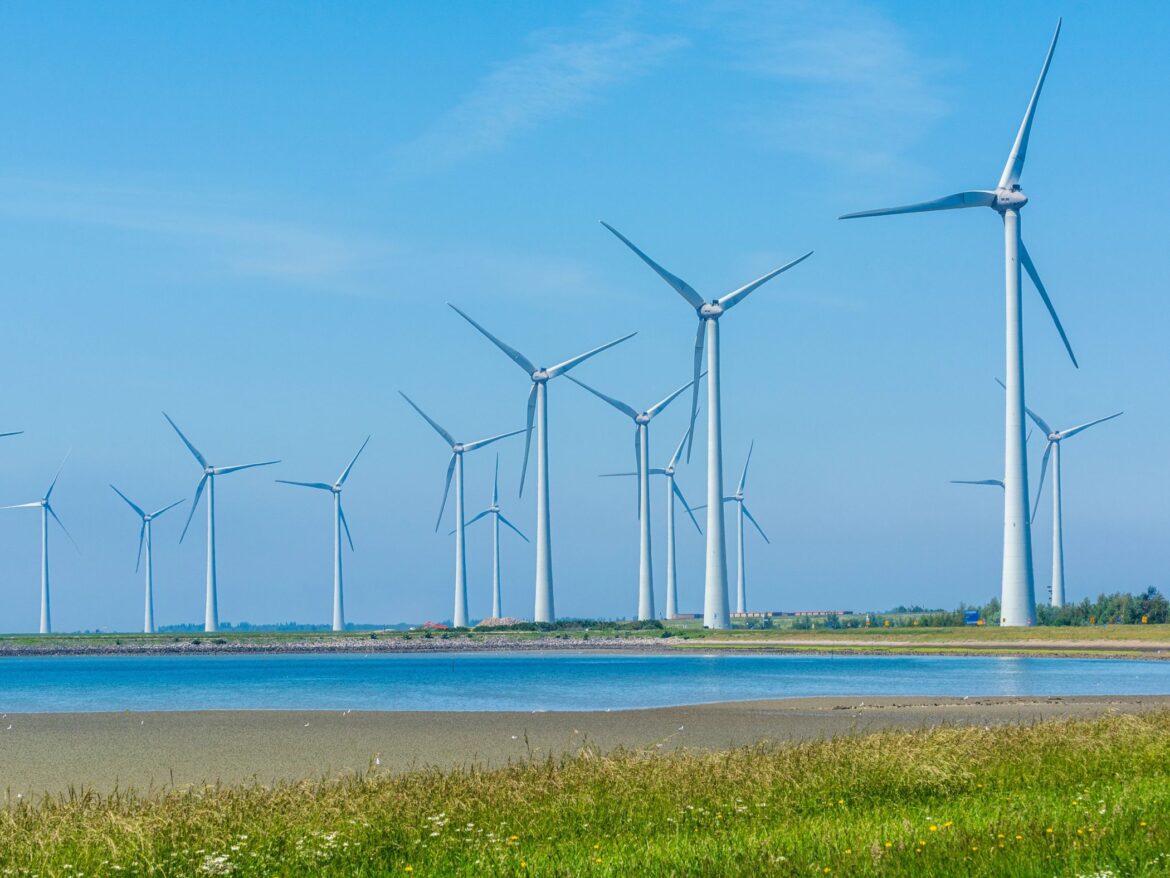
Tucked away in the southwestern corner of the Netherlands lies a village that most travellers will never find on a mainstream itinerary. Bruinisse does not look dramatic when you first arrive, sitting in the Dutch province of Zeeland beside broad stretches of grey-blue water, low dikes, and orderly marinas. But delve a little deeper, and a gem of an experience awaits.
Where Water Shaped Everything
Large parts of Zeeland are below sea level, with the last great flooding of the area occurring in 1953. That catastrophic night changed the Netherlands forever, killing over 1800 people in Zeeland, and led to the construction of the protective Delta Works. This transformed not just how the Dutch defended their coastline, but how entire communities like Bruinisse came to exist within a meticulously engineered landscape.
In South Holland and Zeeland, everything from storm surge barriers to levees and locks were built in the second half of the 20th century. Standing on the harbour wall in Bruinisse today, you’re surrounded by the physical results of this extraordinary engineering achievement. The village is situated alongside the Grevelingenmeer and the Krammer, a small salt water lake created after the construction of the Grevelingendam and the Philipsdam, both part of the world-famous Delta Works.
The environmental impact of flooding extends far beyond immediate physical damage, but the Delta Works created a new reality where such disasters became statistically improbable. What visitors often don’t grasp is how much of what they’re seeing simply wouldn’t exist without this intervention.
Bruinisse and the Changing Face of European River Travel
River cruising through the Netherlands’ delta region has evolved considerably in recent years, with operators seeking alternatives to the heavily trafficked Rhine and Danube routes. Celebrity Cruises launch their European river cruise division in 2027, and their itineraries include stops in lesser-known ports throughout the Low Countries’ intricate waterway network. The Bruinisse river cruise experience reflects this shift toward more intimate, regionally focused travel.
The village of Bruinisse is heavily tied to the water, and it’s fun to explore the harbour where you’ll see fishermen and their latest haul of freshly harvested mussels. Unlike grand river capitals where cruise ships dock beside coach parks and souvenir stalls, you get up close and personal on these trips.
Bruinisse functions as both a seafood village and a practical stopping point within broader sailing routes through the Delta region, with the coexistence of tourism and working marine activity preventing the harbour from feeling staged. It’s this operational authenticity that sets delta cruising apart from more polished European river experiences.
The Mussel Capital and Maritime Heritage
Bruinisse is renowned for its mussels, thanks to centuries of industry and a quality product. Back in the day, the economy here was mainly based on mussel fishing, with the harbour being extended in 1872 and 1912 to accommodate the growing industry. Walk along the harbour today and you’ll spot the enormous mussel sculpture that serves as the village’s unofficial emblem, surrounded by the brightly painted fishing boats that still work these waters.
The connection between Bruinisse and shellfish cultivation runs deeper than economics. The Oosterschelde storm surge barrier altered local water conditions while still attempting to preserve tidal movement necessary for marine ecosystems and shellfish cultivation, with completely sealing off saltwater flows potentially severely damaging mussel and oyster industries across the region.
This delicate balance—protecting human communities whilst preserving the saline environment that makes aquaculture possible—represents one of the Delta Works’ most sophisticated achievements. For visitors interested in how traditional industries adapt to engineered landscapes, Bruinisse offers a fascinating case study. The mussels served in local restaurants don’t just taste exceptional because they’re fresh; they represent a complex interplay of natural cycles and human intervention that defines modern Zeeland.
The village maintains its connection to this heritage through the Brusea museum, which houses both fishing exhibits and a preserved fisherman’s cottage. It’s modest in scale but rich in specificity, the sort of local museum that matters far more to understanding a place than any grand national institution ever could. Understanding traditional fishing communities requires seeing the tools, the living conditions, and the social structures that shaped daily life, and Bruinisse preserves these details with care.
Beyond the Village: The Delta Landscape
Bruinisse serves as an excellent base for exploring the broader Zeeland landscape, though “landscape” feels like an inadequate word for a region so thoroughly shaped by engineering and water management. The Grevelingenmeer, Europe’s largest saltwater lake, offers excellent opportunities for watersports, from sailing to windsurfing to diving in conditions that wouldn’t exist without the dam system. The lake’s unusual status, neither fully sea nor fully inland water, creates ecosystems found nowhere else, attracting naturalists and birdwatchers alongside recreational sailors.
Cycling remains the most rewarding way to grasp how this region actually works. The routes around Bruinisse take you along dikes that double as roads, past nature reserves created accidentally by flood barriers, and through villages where the church tower still marks the highest ground – a reminder of when elevation meant the difference between survival and catastrophe.
The Netherlands cycling infrastructure is justly famous, particularly around Amsterdam, but in Zeeland it serves an additional function: allowing visitors to trace the contours of a landscape that exists in defiance of natural geography.
The Appeal of Overlooked Places
There’s a particular satisfaction in discovering destinations that haven’t yet made it onto mainstream bucket lists. Bruinisse will likely never compete with Amsterdam’s canals or Kinderdijk’s windmills for visitor numbers, and that’s precisely what makes it valuable.
River journeys through Bruinisse have become an interesting option for travellers who prefer smaller ports and less crowded routes through the Netherlands, as unlike major cruise stops that focus heavily on activities and food, this quaint destination offers you the chance to experience everyday village life.