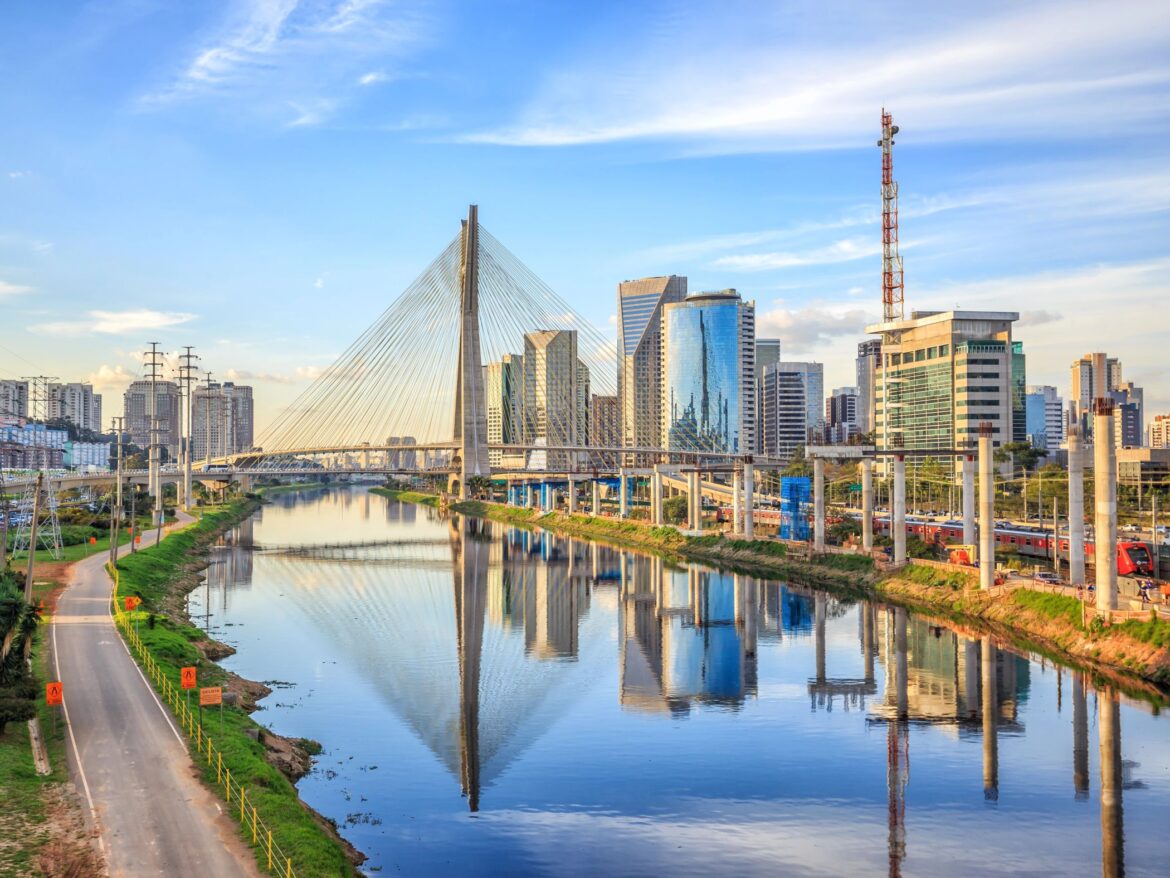
São Paulo in Brazil often sits on travel bucket lists without ever quite making it to the top. People think it’s big, making it hard to travel around, while the city traffic is so intense it can put people off visiting. Yet if you dive a little deeper, you’ll discover an eclectic food scene, lush green parks, and an impressive range of cultural hubs and art museums.
Planning a trip to São Paulo can feel a little daunting, but get the practical details right and you’ll be all set for a memorable trip to Brazil’s financial capital.
São Paulo: The City That Rewards the Curious
Many people arrive at Guarulhos International Airport (GRU) with their eyes on Rio, just a short hop away up the coast. While the allure of Copacabana and Christ the Redeemer is real and warranted, don’t dismiss São Paulo before you know what it can offer. Spending just a couple of days here will give a taste of Brazil beyond the bright lights of Rio.
São Paulo is home to 22 million people, making it the most populated city in Brazil. Food writers rank São Paulo among the best in the world when it comes to cuisine, and the city has the largest Japanese diaspora outside Japan, which means extraordinary Japanese restaurants to try. It has Michelin-starred chefs pushing boundaries in ways that rival anything in Paris or Tokyo, and has an arts scene that easily matches that of other prominent cultural destinations around the world.
For the luxury adventure traveller, São Paulo is less about lounging on beaches (there are none in the city itself) and more about diving deep into one of the world’s most complex, creative urban environments.
Planning tip: São Paulo’s Guarulhos Airport (GRU) is the main international gateway to Brazil. It’s located about 25km from the city centre so book your airport transfer in advance to avoid the stress of navigating a new city after a long-haul flight.
Getting from the Airport to the City: Don’t Wing It
One thing that travellers learn after many years of visiting major international hubs is that the arrival experience sets the tone for everything that follows. Arrive in a city on the back of a stressful, overpriced taxi journey and it doesn’t leave a great first impression.
Guarulhos Airport is large and busy, and like any major international hub, it can feel overwhelming after a twelve-hour flight from London. To combat this, it’s a good idea to pre-book a private GRU airport transfer service, especially if you’re a first-time visitor. You’ll know the price before you land so there’s no awkward haggling involved, and there will be a driver waiting in the arrivals hall with your name. You won’t have to worry about the meter ticking as you wait in queues of traffic, and there won’t be the stress of trying to work out which exit leads to which pickup zone.
It’s the difference between starting your Brazilian adventure feeling composed and starting it feeling frazzled.
The Parque Ibirapuera: A Peaceful Green Space
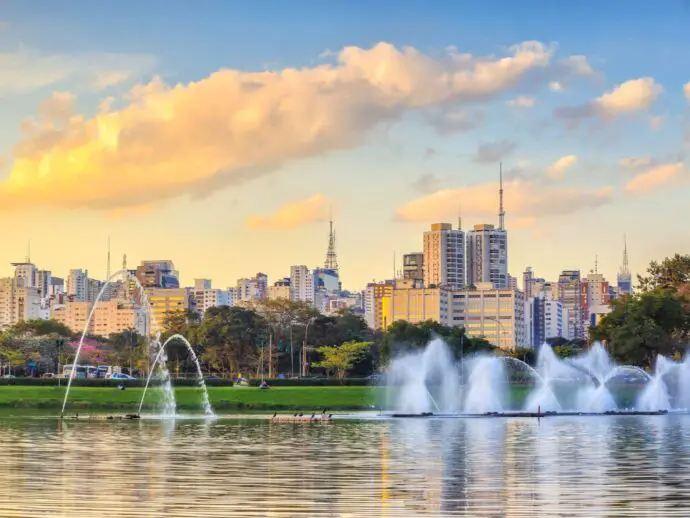
While you might not put a park at the top of your sightseeing list, the green spaces in São Paulo are worthy contenders, giving respite from the city bustle and constant traffic. In particular, Parque Ibirapuera is a popular choice for a relaxing stroll and a break from the urban chaos.
There are over 1.5 million square metres of green space in the heart of São Paulo, one of the world’s largest cities. It’s home to the Museu de Arte Moderna (MAM), the Pavilhão da Bienal (one of Latin America’s most important contemporary art spaces), and a landscape designed by Roberto Burle Marx, the legendary Brazilian landscape architect whose work has been named a UNESCO World Heritage Site.
On Sunday mornings, the roads around the park close to traffic and the whole thing becomes a kind of enormous outdoor living room for the city.
São Paulo’s Food Scene: A Feast for the Senses
São Paulo is, by most credible accounts, one of the great dining cities of the world, and the Japanese connection is a great starting point. The city has the world’s largest Japanese community outside Japan, and the quality of Japanese cuisine, from high-end omakase to neighbourhood sushi counters, is extraordinary. But Brazilian food itself is the revelation, with dishes that combine Portuguese, African, Indigenous and immigrant influences in ways that are both new, and delicious.
The Mercado Municipal (the Mercadão) is the unmissable starting point for any serious food exploration. It’s a vast covered market with hundreds of stalls selling everything from tropical fruits you’ve never even heard of before to tasty looking charcuterie. The famous mortadella sandwich, eaten standing up at the market counter, is reportedly one of those simple food experiences that stays with you.
Beyond São Paulo: What Else Brazil Offers
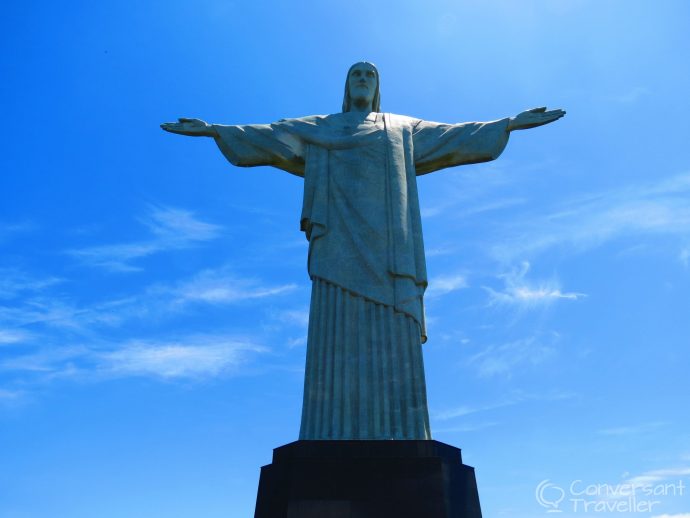
Once you’ve spent a few days immersed in São Paulo, the rest of Brazil opens up from a position of knowledge rather than bewilderment. Rio de Janeiro is the obvious next step, and yes, the views from Sugarloaf Mountain and Christ the Redeemer are as spectacular as advertised. The beaches of Copacabana and Ipanema are genuinely iconic, although watch out for the sand, it gets almost too hot to walk on in the afternoons!
The country is vast, and the further you venture, the more rewarding it becomes. The Pantanal, which is the world’s largest tropical wetland, offers wildlife encounters that rival anything East Africa has to offer, and then there’s the Amazon, with some of the richest wildlife biodiversity on the planet. Meanwhile, the colonial towns of Minas Gerais are perfect for those looking for historic streets and culture in a beautiful setting.
Practical Notes for Planning Your Brazil Trip
Visa: Requirements vary by nationality. UK passport holders currently do not require a visa for Brazil for stays up to 90 days, but always verify current requirements before booking.
Language: Portuguese, not Spanish. Even a few phrases in Portuguese go a long way and are received warmly. English is spoken in hotels and tourist areas, less so in local neighbourhoods.
Airport transfer: As mentioned above, pre-book a professional airport transfer service for your arrival. Fixed pricing, professional drivers, and a name board in arrivals. After a long-haul flight, this is money very well spent.
When to go: The Southern Hemisphere winter (June to September) offers the most comfortable temperatures in São Paulo with warm days, cool evenings, minimal rain. Avoid the December to February rainy season unless you’re heading to the beaches.
Currency: Brazilian Real (BRL). Cards are widely accepted in São Paulo, but carry some cash for markets and smaller establishments.
The Verdict: Next Stop, Brazil
Brazil definitely deserves a spot near the top of your travel bucket list, so pull it out from the sidelines and consider including it in your next trip. The food alone would justify the journey, while the culture, energy, and sheer scale of the country make it one of the most fascinating destinations in South America.
Start with São Paulo and let the city steal your heart, before heading out to explore Brazil’s other regions. Wherever you end up, it’ll be an adventure.