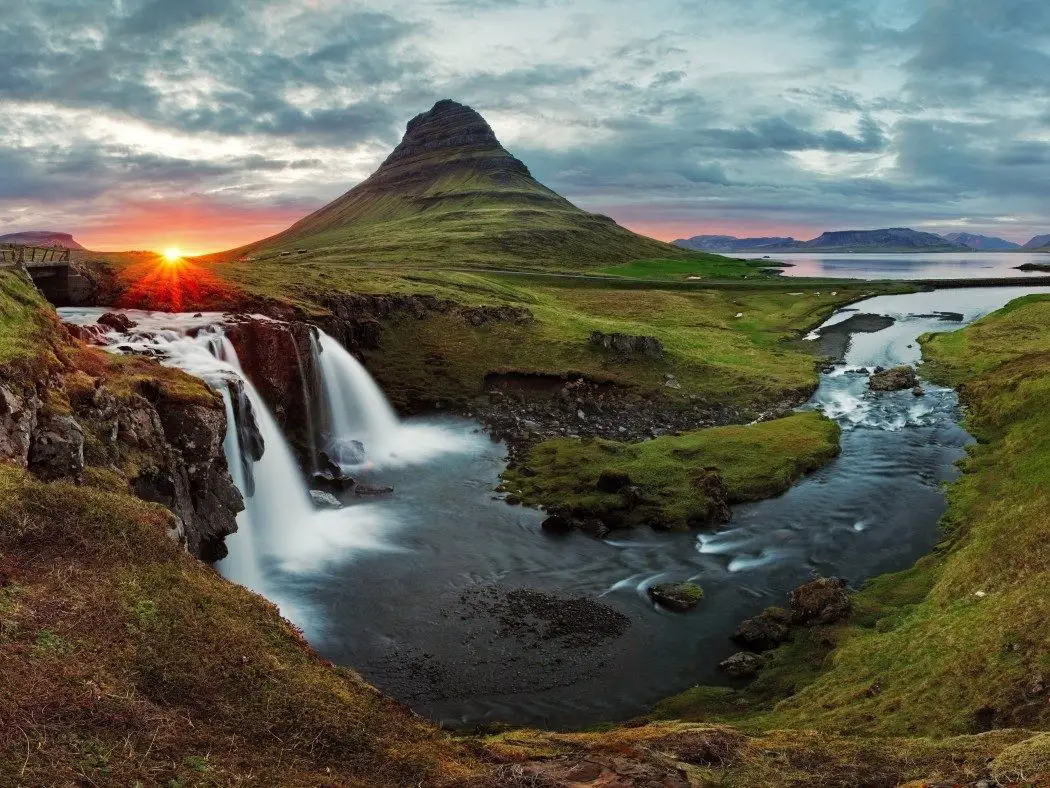
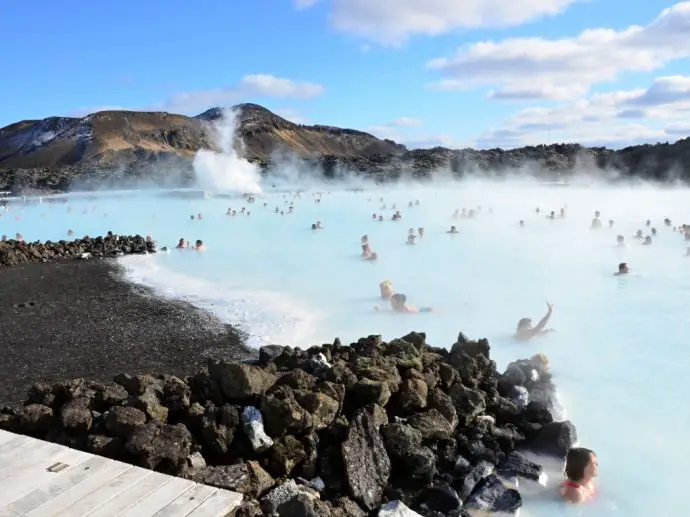
Iceland’s Ring Road wraps around the entire island for 828 miles. Black sand beaches give way to glacier lagoons, then geothermal hot springs pop up every few dozen kilometres. Buses connect the major towns, sure, but they barrel past the good stuff. Those waterfalls between villages, the lava fields stretching toward the horizon, the thermal pools where locals soak after work. You miss all of that without your own wheels.
The tourism scene here has flipped over the last decade. Group tours used to dominate, but now most visitors grab rental cars and figure it out themselves. Iceland rewards people who can pull over whenever something catches their eye.
Why Self-Drive Tours Work Best in Iceland
Iceland spreads its best attractions across massive distances with mostly empty land in between. If you’re travelling to Iceland and want to rent a car, pickups at Keflavík Airport and downtown Reykjavik mean you can be on the road within an hour of landing. A bunch of companies now offer online check-in so you can skip the rental counter completely.
Tour buses run on fixed schedules regardless of conditions. The light might be perfect on Skógafoss, but the bus driver has 15 other stops to hit. That gravel road leading to a hidden hot spring? Tour groups can’t make spontaneous detours like that. Your own car means stopping for 5 minutes or 2 hours, whatever feels right.
Weather shifts constantly here, especially along the coast. Fog might blanket the entire south coast at breakfast, then burn off by lunch. Your car lets you adjust plans on the fly instead of committing to a full day itinerary booked weeks ago. Winter visitors really feel this since daylight shrinks to four hours in December.
Picking the Right Vehicle for Your Route
Your vehicle choice comes down to destinations and timing. Iceland categorises roads differently, and rental cars have limits on where they can go. Paying for four wheel drive when you’re sticking to paved roads wastes money, but taking a sedan onto F-roads will destroy it.
Summer Driving on Paved Routes
Regular sedans handle summer travel just fine if you’re staying on pavement, and the Ring Road never leaves asphalt. Neither do routes to Gullfoss, Seljalandsfoss, or Jökulsárlón. Smaller cars burn less fuel too, which matters because gas here runs about 40% pricier than mainland Europe.
Parking gets easier with compact vehicles, as waterfall lots fill up fast during peak season. Manoeuvring a massive SUV into a tight spot while a line of cars waits behind you creates unnecessary stress, but a sedan slides right in without drama.
Winter Conditions and Highland Access
F-roads require four wheel drive: these highland routes cross rivers and volcanic terrain that’ll wreck anything else. They typically open in late June and close again by early September, although exact dates shift based on that year’s conditions.
Different road types have different requirements:
- Rental contracts explicitly ban two wheel drive cars from F-roads, and insurance won’t cover damage if you ignore this
- River crossings sometimes hit 50 centimetres deep, so ground clearance becomes critical
- Winter roads get dicey even when paved, and four wheel drive helps significantly on ice and packed snow
- Many insurance policies mandate four wheel drive for winter rentals no matter where you plan to go
Electric vehicles work well for Ring Road trips and southern exploration. Charging stations show up regularly in towns and at popular stops now. Coverage gets spotty in the Westfjords and highlands, but those areas see fewer tourists anyway. Electricity costs less than gas here. You’ll pocket real savings over a week long trip.
Planning Your Driving Route
The South Coast between Reykjavik and Höfn crams Iceland’s most photographed spots into 280 miles. Seljalandsfoss lets you walk behind the waterfall while Skógafoss drops 200 feet into a spray filled basin. Reynisfjara has those black sand beaches and columnar basalt formations, and Jökulsárlón showcases massive ice chunks floating toward the ocean. Three days covers everything without feeling rushed.
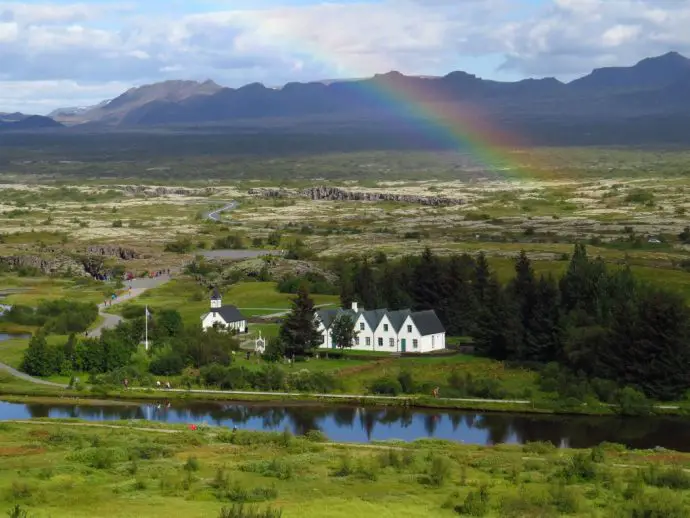
The Golden Circle works great for easing into Icelandic roads. This 190 mile loop hits Þingvellir National Park, the Geysir geothermal area, and Gullfoss waterfall. Everything stays on the road and takes roughly five hours including stops. You’ll need to get comfortable with the speed limits and terrain before tackling longer hauls.
Winter completely changes routing strategy as highland roads close from September through June. The Westfjords become partly inaccessible October to April and daylight drops to four hours between November and February. Driving in darkness defeats the whole purpose of coming here.
What You Need to Know Before Driving
Iceland has quirks that surprise foreign drivers. These aren’t suggestions, they’re things that’ll cost you real money or leave you stranded.
Insurance and Road Conditions
Gravel damage coverage makes sense for most rentals. Rocks ping off the road constantly and chip windshields even on main highways. Basic insurance excludes this type of damage entirely, and one chipped windshield runs several hundred dollars, which torpedoes your budget fast.
The extra coverage typically costs less than a single repair. People who’ve driven Iceland before usually add it automatically as even weekend trips result in gravel damage sometimes.
Gas stations mostly run automated pumps, particularly in rural spots where nobody works overnight. American magnetic stripe cards fail constantly at these machines so you need chip and PIN capability and remember to test your card before leaving home. Otherwise you risk getting stuck somewhere remote with an empty tank and no payment option.
Speed Limits and Road Safety
Paved roads outside towns max out at 90 kilometres per hour while gravel drops to 80, and residential zones to 50. Police patrol constantly in both marked and sneaky unmarked cars and basic speeding tickets start around $150 and climb from there.
Some stretches use automated cameras tracking average speed between two checkpoints so slowing down just for the camera doesn’t work. They calculate how long you took covering that distance.
Single lane bridges appear constantly on backcountry roads and whoever’s closer goes first. Locals sometimes flash headlights to communicate. Check weather and road websites every morning because closures happen fast when storms hit.
Getting the Most from Your Road Trip
Parking stays free at most attractions, though popular ones now charge 500 to 1000 ISK. Always stay inside marked areas and remember that driving onto grass or lava looks harmless but damages fragile ecosystems needing decades to recover.
Use those designated pullouts when cars stack up behind you, as tourists often crawl along admiring views. That’s totally fine, but locals commuting these roads daily get frustrated behind slow rental cars. Pullouts exist specifically for letting faster traffic pass without anyone feeling pressured.