Leisure Spending For Canadians
For many centuries travel was a luxury that was only accessible to wealthy Canadians. However at the beginning of the 20th century circumstances such as easy accessibility to cars, trains, and aeroplanes and an increase in average income has made travel more easily attainable for individuals from varied backgrounds.
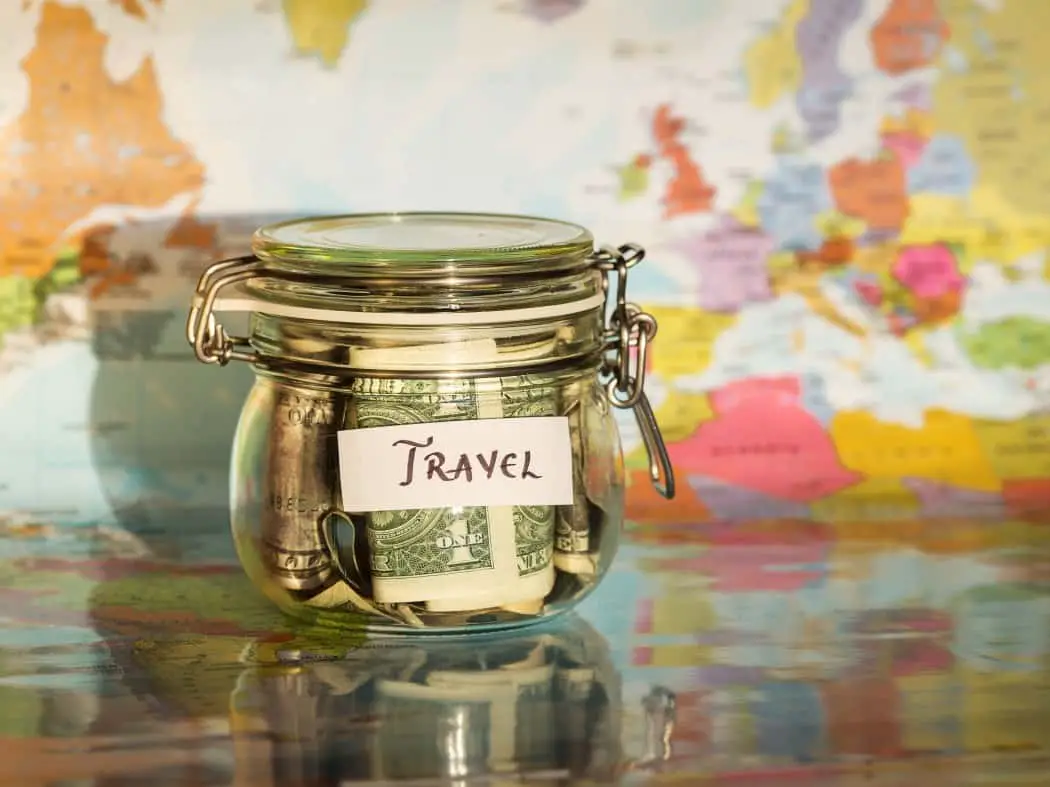
Most Canadians value experiences over material items and they spend tens of billions of dollars travelling in Canada and to other countries. On average three in four Canadians have travelled even if it is for a short holiday. A recent study indicated that up to 70% of Canadians prefer to spend money to enjoy the experience of travelling rather than spend it on material items and many people will try to save as much as they can on everyday expenses to ensure they have enough to afford their travels.
This article will cover how Canadians can make the most of their leisure spending by creating a budget that ensures that every journey will be a memorable one whether it be to a nearby province, or in a country that is thousands of kilometres from home.
The Importance of Creating Separate Transport, Accommodation, Food, and Entertainment Budgets
Planning a travel budget isn’t just about buying flight or train tickets, taxis, hire cars, or calculating how many times you need to fill up your petrol or recharge your electric car. Your travel budget encompasses every item that you will spend money on such as accommodation, food, and entertainment. Costs add up very quickly and in order to make the most of your experience creating a budget will ensure that you do not end up with any unpleasant surprises at the end of your trip. Your financial situation may be different from other travellers and even if you have a good economic situation, creating a budget is a good idea.
You should separate your budget into four main categories:
Depending on your destination, travel can often be one of the biggest costs in your travel budget. Once you have chosen a destination you will need to determine what type of transport is required. If you are taking your own vehicle then you should make an estimation of how petrol or electricity is needed to arrive at your destination and then return home as well as an approximation of any local travel there.
If you’re travelling by air or train, then the cost of a return journey for each member on the trip should all be added together as well as an approximation of taxis, or costs associated with hiring a car at your destination including fuel.
Accommodation is one the second largest expenses that you need to consider. The type of accommodation that you choose is dependent on your budget, do you want to stay in a five star hotel in the centre of the city or on the beach front or are you happy with a less sumptuous choice or even self catering accommodation?

Food is another consideration that definitely merits being part of any traveller’s budget. If you’re staying in a hotel then you should check to see what type of meal plan is included? Is there a meal plan that allows you to eat at the hotel as part of the room cost or is everything charged separately? Eating out can significantly add cost to your travel budget and if you would prefer to make some of your own meals then a self catering option may be your best option.
Entertainment is another important factor to consider. Whether you are going to local attractions such as museums, or other cultural spots, or enjoying watersports, or organised tours, most of these activities can add up so planning activities in advance will ensure that you are not scrambling at the last minute for get on that once in a lifetime trip to local volcano or visit to a famous museum. Advance bookings often have discounts, ensure that you check the cancellation policy before you book.
Separate your entertainment budget into three parts to accommodate unexpected changes, weather, or unplanned activities or weather factors that require an adaptation of your travel itinerary.
Planned budget: The amount of money is needed for preplanned activities.
Flexible spending: Money that can be used for unplanned activities.
Reserve: Money that you do not plan to use unless it is absolutely necessary.
Planning Optional Online Casino Entertainment In A Travel Budget
Digital entertainment is a fun way to unwind when you are travelling and is easily accessible on your smartphone and other mobile devices. Your travel budget may include optional digital activities that cost money such as playing at a live online casino during downtime.
Before you add online casino gaming to your budget, ensure that the practice is legal as availability and gaming regulations can vary across different countries. Your gaming budget should be in addition to your pre-determined entertainment cost and not interfere with essential holiday money. If legal, spontaneous gaming sessions can enjoy a fun break when you have moments of downtime such as waiting at the airport or during long flights.
Compare Paid Activities With Free Ways To Spend Downtime When Travelling

Great holidays are not just about paid activities. When creating your travel budget you should research which free activities are available to enjoy during downtime when you are away. You would be amazed at how many things are offered. Once you have chosen your destination, do some online research and look online to see what free activities are available.
Depending on what time of the year and where you are travelling, there are often many free activities such as walking tours, beaches, free galleries, cultural spaces, markets, historic neighbourhoods, public parks, festivals, or many other activities depending on where you are visiting. In addition to online searches you can also ask the staff at your accommodation if they are aware of any free options. Many of these activities provide the opportunity to immerse yourself more fully into the local culture rather than going where all of the other tourists go and provide memorable experiences that you may have otherwise missed out on.
FAQ: Travel Budgets, Downtime, and Spending Limits
Should entertainment be separate from my travel budget and how much should I put aside for it?
There is no right or wrong budget for entertainment. Once you have budgeted for transport, accommodation and food, you should then create a separate entertainment budget. How much you can allocate is dependent on the destination, activities that interest you, and how much you can comfortably afford to spend on leisure activities without affecting other travel essentials.
Are free activities an effective way of keeping travel budget costs down?
Not only do free activities help lower the costs of your travel budget, they can also provide cultural activities and experiences that are off the beaten track and provide valuable downtime and enable you to keep your entertainment money to pay for experiences that are important.
Can I include online casino spending in my entertainment budget?
If it’s legal to play online casinos at your travel destination then by all means you can include this cost in your entertainment budget. Ensure that the money that you allocate to digital gaming does not interfere with any essential costs, has been set aside for other activities, or part of your emergency reserve. Enjoy this as a down time activity and set session limits so that it does not interfere with other activities.
If I have money leftover in my entertainment budget what can I do with it?
If you have money leftover in your entertainment budget, there is no need to spend it. This money can be used to pay for unexpected travel costs, or you can put it aside for costs at home or even save it towards your next trip.
Why is it important for Canadian travellers to calculate currency conversion rates?
When travelling in a country that uses a foreign currency Canadians should make a calculation of the approximate rate of exchange so that you can correctly calculate the cost of different activities and avoid exceeding your pre planned budget.
Should I buy travel insurance?
Yes. It’s always sensible to take out travel insurance to avoid out of pocket costs should anything go wrong during your trip.