Planning a journey from Krakow to the Auschwitz-Birkenau Memorial and Museum is a task that requires more than just logistical coordination; it demands a specific mental and emotional readiness. As one of the most significant sites of collective memory in the world, a visit to the former German Nazi concentration and extermination camp is a profound experience that stays with a person long after they return to the city.
To ensure that your Auschwitz day trip from Krakow is both respectful to the victims and manageable for you as a visitor, it is essential to understand the unique nature of this site, the strict regulations in place, and the best ways to navigate the transition from the vibrant streets of Krakow to the solemn grounds of Oświęcim.
Mental and emotional preparation for the visit
Before setting out from Krakow, it is vital to reflect on the purpose of your trip. Auschwitz-Birkenau is not a traditional museum or a typical tourist attraction; it is a cemetery and a memorial. Many visitors find that reading a brief historical overview or a personal memoir, such as those by Primo Levi or Elie Wiesel, helps provide a necessary human context to the vast scale of the site.
Mentally preparing for the weight of the history you will encounter allows for a more meaningful experience. It is also worth considering that the visit can be emotionally draining. Ensuring you have a quiet evening planned back in Krakow after your return will give you the necessary space to process the reflections and thoughts that inevitably arise during the day.
Securing your entry: timing and reservations
The most critical logistical tip for any Auschwitz day trip from Krakow is to book your entry pass well in advance. Due to the high number of people wishing to pay their respects, the official Museum website often sees tickets sell out weeks or even months ahead, especially during the peak spring and summer months. While there are sometimes “last minute” individual tickets available, relying on them is risky.
Most visitors choose a guided tour with an official Museum Educator, which is highly recommended as they provide essential narratives that put the physical remains into perspective. When booking, pay close attention to the language of the tour and the start time, keeping in mind that the travel from Krakow takes approximately one and a half hours each way.
Navigating transport: Krakow to Oświęcim
There are several ways to bridge the seventy-kilometer distance between Krakow and the Memorial. Many travellers opt for organised tours that include door-to-door van or bus transport, which simplifies the day and allows you to focus entirely on the visit. If you prefer independent travel, regular “Lajkonik” buses depart from the MDA main bus station in Krakow and drop passengers directly at the Museum entrance.
Alternatively, trains run frequently from Krakow Main Station (Kraków Główny) to the town of Oświęcim, though this requires a short bus ride or a twenty-minute walk from the station to the camp gates. Regardless of your choice, aim to arrive at least thirty minutes before your scheduled entry time to allow for security checks.
Understanding site regulations and security
Security at the Memorial is comparable to airport procedures, and strict rules are enforced to maintain the sanctity of the site. One of the most common mistakes visitors make is bringing a bag that is too large. The current regulations permit only a very small handbag or backpack, not exceeding the dimensions of 30x20x10 centimetres.
Larger bags must be left in the paid luggage storage area or on your tour bus. Furthermore, while photography is permitted in many outdoor areas, it is strictly forbidden in specific sensitive indoor locations, such as the room containing the hair of the victims or the basements of Block 11. Respecting these boundaries is a fundamental part of showing reverence to those who suffered there.
Attire and physical comfort during the day
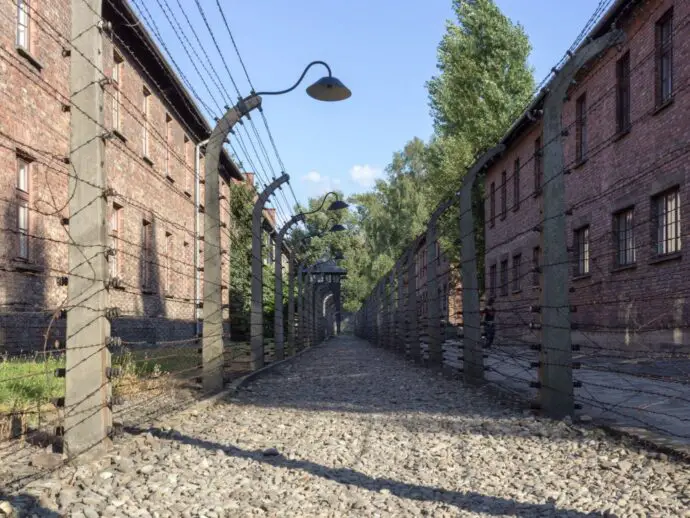
The physical layout of Auschwitz-Birkenau involves a significant amount of walking, often over uneven ground, original cobblestones, and dirt paths. A full tour covers both Auschwitz I (the base camp) and Auschwitz II-Birkenau (the vast extermination site), which are located about three kilometers apart. Wearing comfortable, sturdy walking shoes is non-negotiable.
Additionally, because much of the second camp is an open, unsheltered field, you are entirely exposed to the elements. This means bringing a raincoat or umbrella if the forecast suggests rain, or high-SPF sunscreen and a hat during the summer. Dressing modestly is also expected; while there is no formal dress code, choosing attire that reflects the somber nature of the memorial is a sign of respect.
The importance of a guided educator
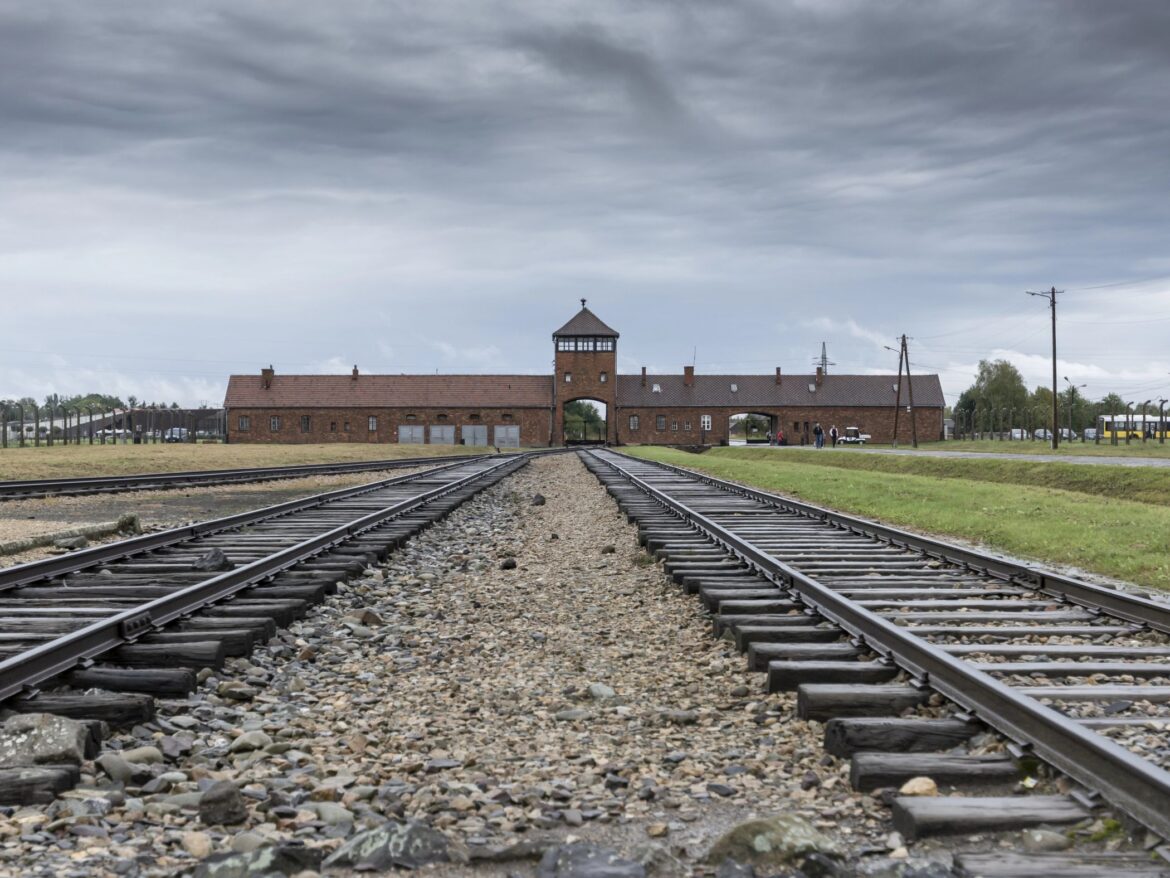
While it is possible to visit certain parts of the site individually at specific times, engaging an official educator is the most effective way to grasp the complexity of the Holocaust. These guides are specially trained to convey the history with sensitivity and factual accuracy. They help navigate the transition between the two camps—connected by a shuttle bus—and ensure that you see the most significant landmarks, such as the railway ramp, the ruins of the gas chambers, and the international monument. Listening to their narrative helps transform the physical ruins into a coherent story of human loss and resilience, preventing the scale of the site from becoming overwhelming or abstract.
Food, water, and practical necessities
There are very limited options for purchasing food once you are inside the memorial grounds, and eating is prohibited while walking through the historical sites. It is wise to have a substantial breakfast in Krakow and carry a bottle of water with you. There is a small cafeteria and snack bar near the entrance of Auschwitz I where you can have a quick meal during the short break between visiting the two camps.
However, many visitors find they lose their appetite during the tour due to the emotional nature of the experience. Carrying some light snacks for the bus ride back to Krakow is a practical way to manage your energy levels without infringing on the decorum of the memorial grounds.
Respecting the silence and space
Silence is perhaps the most powerful tribute you can offer during your visit. High-volume conversations, phone calls, or inappropriate behavior are deeply disruptive to other visitors and disrespectful to the memory of the victims. It is a place for quiet observation and internal reflection.
When standing at the ruins of the crematoria in Birkenau or walking along the selection ramp, taking a moment of silence is often more meaningful than any photograph. By keeping your phone silenced and minimising distractions, you contribute to the collective atmosphere of remembrance that the Museum works so hard to preserve for future generations.
Returning to Krakow: processing the day
The journey back to Krakow often feels very different from the morning ride out. Many people find themselves silent, reflecting on what they have seen and heard. Use this time to decompress. Krakow offers many peaceful spots, such as the Planty Park or the quiet courtyards of the Kazimierz district, where you can sit and process your thoughts.
It is often helpful to write down your impressions in a journal or talk through the experience with a travel companion. A visit to Auschwitz is not something to be “checked off” a list, but rather a profound educational encounter that requires time and respect to fully integrate into your understanding of history and humanity.