
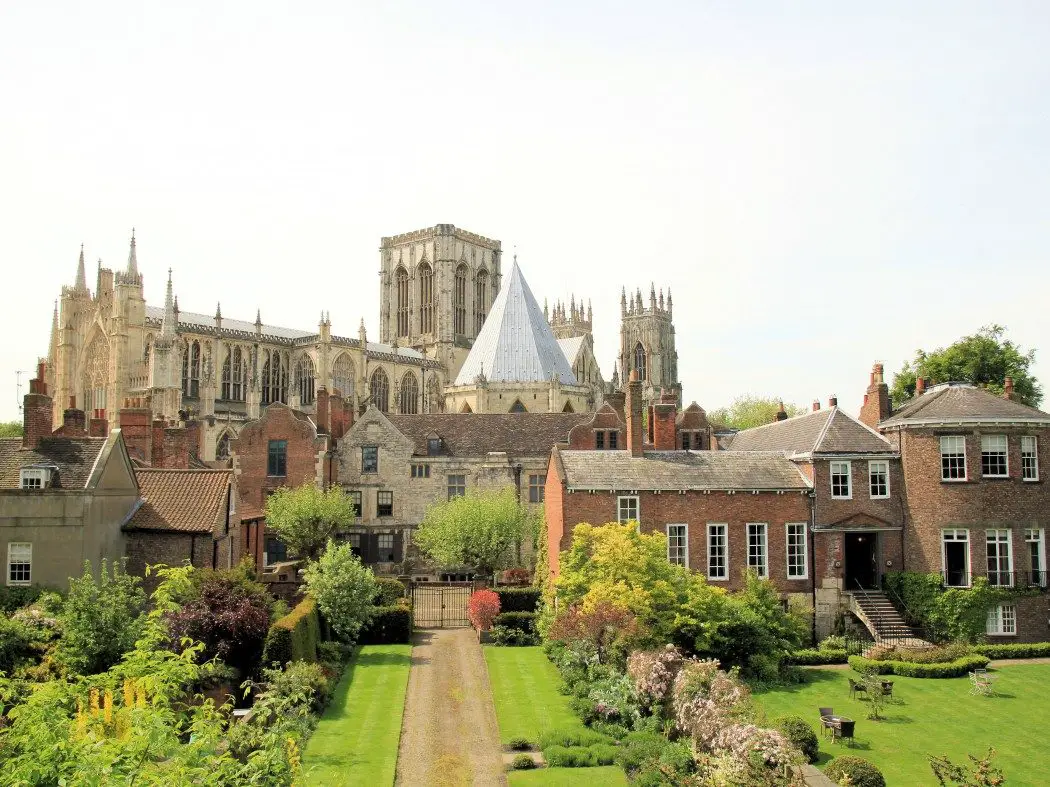
You know the feeling, the one where you head into town on Friday, drop your bag, and want the night to start without a plan that needs a spreadsheet. A decent meal out, entertainment at your fingertips, and a spot for a final drink of the week. That is the modern weekend, and it’s compact, lively and absolutely worth the train fare.
UK travel is has not slowed down in the slightest. In 2024 — the last year with full data — overseas visitors made 42.6 million trips to the UK and spent £32.5 billion doing it. You feel that when you try to book a Saturday table in Manchester or a theatre ticket in London. The volume is back, expectations are different, and a weekend away now has to earn its place in the diary.
You aren’t flying somewhere just to walk around and head back to the hotel at nine, instead you want food, atmosphere, something happening after dark. That appetite is feeding a rise in integrated entertainment spaces across the country.
City Break Density Is Changing Leisure Expectations
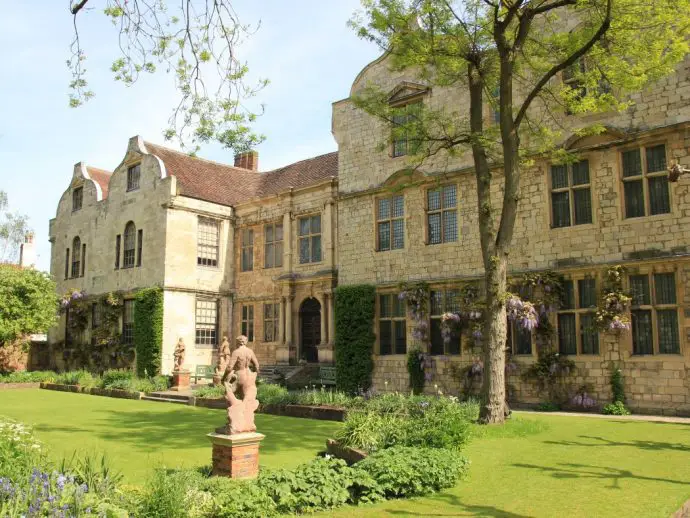
Short breaks used to be about ticking off landmark but now they’re more about concentration. You land, drop your bag, and everything you need is within reach including great restaurants, a late-night bar, and a buzzing entertainment venue, all without taxis or planning spreadsheets. And, hopefully, no logistical headaches, making your break just what it should be, and that’s easy.
A compact city destination like York shows how that works. You can build a full itinerary with everything within walking distance, which is exactly the appeal of a luxury weekend in York. You aren’t travelling for one attraction, you’re travelling for the cluster of sights.
That same logic is shaping larger urban spaces because travellers want neighbourhoods that function like ecosystems. Stay, eat, see something live, and head back without crossing the city. It is practical and efficient, and feels like good value.
Capacity Is Rising Because Demand Is Structural
The airlines are adjusting here by adding seats. For example, Jet2 has increased summer 2026 capacity by 8% to 20 million seats, with winter capacity up 7.4% to 5.5 million seats. That is forward booking confidence rather than sentiment with real seats for real passengers. The airline industry is one of the most optimised in the world with very slim margins and when these guys start adjusting strategy, it’s as good an indicator as any. And right now, the tourism indicators are all green lights.
When that many people are moving around, destinations have to compete and a hotel alone is not enough. A single attraction will not hold attention for two nights. because you’re choosing places that give you options once the main event ends. Dinner turns into a show, a show turns into drinks and it all needs to sit within a tight radius.
This is where integrated entertainment venues step in.
Integrated Venues Are Meeting That Demand
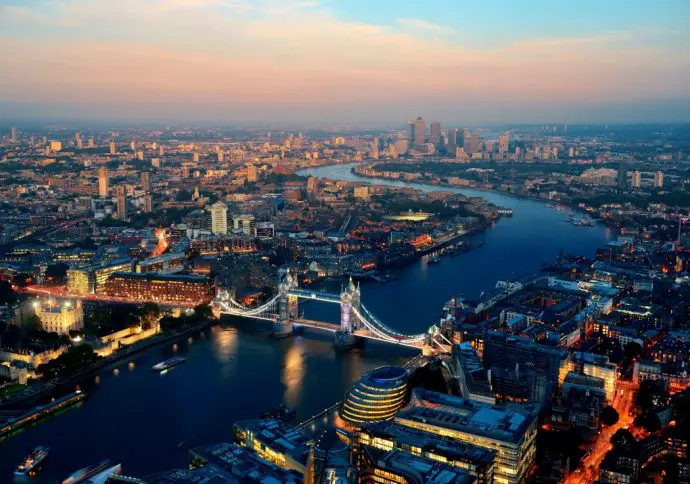
Taking London as an example, you’ll see that the O2 isn’t just an arena, it’s a hive of eateries, bars, and cinemas all housed together in a single entertainment area. Wembley Park operates in the same way, so stay nearby and your evening is mapped out without effort.
Resorts World Birmingham does something similar with hotel rooms, retail, dining and live events in one space. You check in and the rest of the night unfolds without a taxi queue.
There is another layer to this, in that the entertainment doesn’t stop when you head back to the room. Many travellers now extend the experience digitally, browsing curated lists of trusted online casinos in the UK in the same way they would compare venues before a night out. It is part of the wider leisure landscape, giving a sense of control before you commit.
Integrated spaces work because they remove friction. You want choice and activity without needing to overthink it.
Neighbourhood Choice Shapes the Whole Weekend
In London, the postcode can define your trip. Stay east and you are closer to Shoreditch nightlife, or stay west and you lean into theatre and established dining venues. The decision shouldn’t be whimsical as it shapes your evening plans before you even board the train because you are building a base.
The best districts now behave like self-contained leisure zones with hotels sitting beside venues, and restaurants spilling into event traffic—you step outside and the night is already moving. Which side of town you end up to is purely a matter of preference, but a bit of planning can save a lot of frustration later on.
The Numbers Behind the Movement
The scale supports this direction. In 2024, overseas residents made 42.6 million visits to the UK and spent £32.5 billion during those stays. UK residents travelled abroad 94.6 million times in the same year, spending £78.6 billion. Spain alone accounted for 17.8 million outbound trips. That is high volume! High movement creates demand for places that can absorb it, so mixed-use leisure developments are a logical response.
You can see it in city centres and event districts. Travel is strong and expectations are higher. The venues that combine staying, dining and entertaining in one place are not a gimmick, instead they’re a practical answer to what modern weekends now look like.