

There are 100,000 vehicle breakdowns occurring every day across the national highway system, whether you’re on your daily commute, or on the road trip of a lifetime. This high frequency of mechanical failure explains why finding a certified technician is vital for any long-distance traveller, to stay safe, and happy, on the road.
A certified mechanic is a professional who has completed formal training and passed industry exams. These benchmarks ensure the technician understands complex vehicle systems, modern diagnostics, and professional repair standards.
What Makes A Mechanic Certified
Certification signals that a technician has completed structured education and passed rigorous examinations. These programs include classroom instruction and hands-on training that verify mechanical competency.
Many experts develop their skills through accredited programs at schools like the AAI technical institute. Completing this specific training gives technicians a foundation that goes far beyond basic oil changes or tire rotations. These educational pathways prepare staff to diagnose the intricate problems that modern vehicle computers often present.
Professional certification programs typically cover several core mechanical areas:
- Advanced engine diagnostics
- Electrical system testing
- Brake system service
- Steering and suspension repair
Why Travellers Look For Certified Mechanics
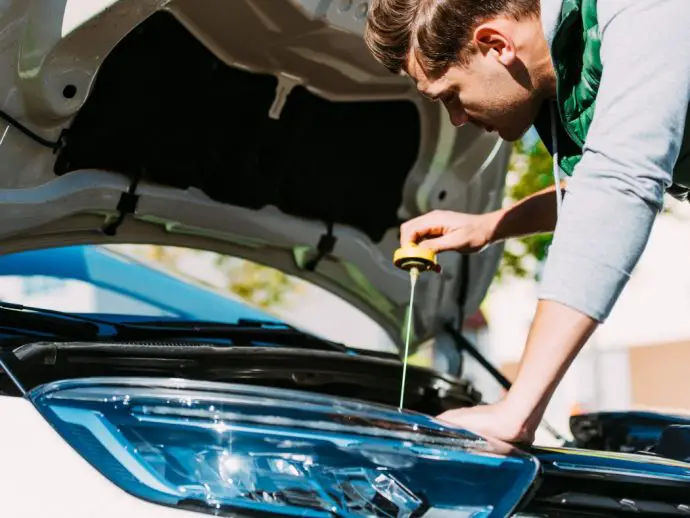
Vehicle issues can disrupt expensive travel plans and cause significant stress. A certified mechanic offers a much higher likelihood of accurate diagnostics, which saves time during a trip.
Professional credentials help confirm that a technician understands electronic sensors and hybrid components, and reliable mechanical work reduces the chances of a repeat breakdown while you are deep in an unfamiliar region on your travels.
Choosing a verified expert ensures your car receives repairs that meet strict manufacturer safety standards.
Questions To Ask Unfamiliar Repair Shops
Travellers often encounter repair shops in remote towns where they have no previous experience, but asking a few simple questions can quickly reveal the level of professionalism within a specific workshop.
A trustworthy mechanic usually answers questions clearly and explains the entire repair process. Clear communication helps travellers judge whether the facility operates with integrity and technical skill.
You should always confirm if the technicians hold recognized credentials before authorizing any major work on your vehicle. There are several specific details you should clarify before signing a repair order:
- Recognition of specific industry certifications
- Availability of warranties for parts and labor
- Use of new versus refurbished replacement components
Modern Vehicles Require Professional Diagnostics
Modern cars rely on complex computer systems that monitor everything from emissions to fuel economy, and diagnosing these systems often requires specialized equipment that general garages might not possess.
Professional technicians use advanced scanners to interpret error codes generated by the car. This data reveals precise information about the health of the fuel system and electrical components.

Choosing The Right Shop While Traveling
Preparation before a road trip can make unexpected mechanical problems much easier to manage, so travellers who research service options in advance often find help more quickly when a check engine light appears.
Online resources allow drivers to locate reputable facilities along their planned travel routes. Organizations like AAA provide reliable directories and service recommendations for members in distress. Planning ahead reduces emergency stress and helps you avoid making rushed decisions, so make sure you’re on top of things before departing on your trip.
Preventive Maintenance Before Long Trips
Many roadside breakdowns can be avoided with a simple inspection before leaving home. Travellers who schedule preventive maintenance often reduce the risk of unexpected problems that could interrupt their plans or create safety concerns on unfamiliar roads.
A qualified technician can evaluate critical systems and identify early warning signs that drivers may overlook. Small issues such as worn belts, weak batteries, or low fluid levels can quickly turn into larger mechanical failures during long drives.
Pre-trip inspections typically focus on several important components that influence vehicle reliability:
- Tire condition, tread depth, and proper inflation
- Battery strength and charging system performance
- Engine oil, coolant, brake fluid, and transmission fluid levels
- Brake pads, rotors, and overall stopping performance
- Drive belts and hoses that regulate engine operation
Completing these checks before travelling helps drivers start their trip with greater confidence. Preventive maintenance also reduces the chances of costly emergency repairs that could delay a journey or leave travellers stranded far from home.
Signs Your Vehicle May Need Immediate Attention
Vehicles often show warning signs before a serious mechanical failure occurs and drivers who recognize these signals early can address small issues before they become major repairs during a trip.
Unusual sounds, dashboard alerts, or changes in how the vehicle drives should never be ignored, as even minor symptoms may indicate deeper mechanical problems that require professional diagnostics.
Travellers should watch for indicators that suggest a vehicle needs inspection by a certified technician:
- Warning lights such as the check engine or battery indicator
- Grinding, squealing, or knocking sounds from the engine or brakes
- Vibrations felt through the steering wheel while driving
- Burning smells or visible fluid leaks under the vehicle
- Reduced acceleration or sudden drops in fuel efficiency
Addressing these issues promptly can prevent breakdowns when you’re away from home in unknown territory. A quick visit to a certified mechanic allows technicians to identify the root cause and recommend repairs that keep the vehicle reliable for the rest of the journey.
Staying On The Road With Verified Expertise
Understanding what a certified mechanic provides gives travellers a major advantage. Certification indicates formal training, tested knowledge, and a commitment to high repair standards. Knowing how to evaluate technicians and spot warning signs keeps your journey running smoothly. Selecting a verified expert protects both your vehicle and your peace of mind while exploring new destinations.