You want a holiday that excites you, not another resort where you spend a week staring at a pool. But finding a destination that offers real adventure without sacrificing comfort? That’s the challenge. Hvar Island in Croatia gives you both, and it does it better than almost anywhere else in the Mediterranean.
The Croatian Island That Has It All
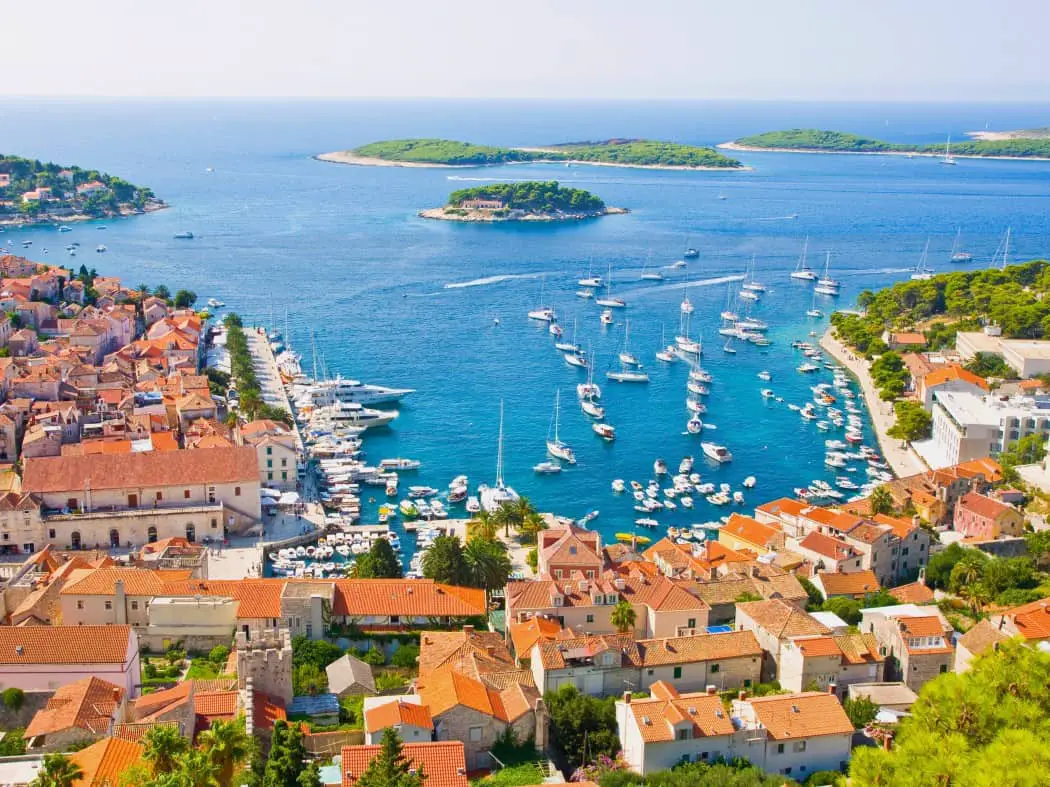
Hvar sits in the Adriatic Sea off Croatia’s Dalmatian Coast, stretching roughly 68 kilometres and earning its reputation as one of Europe’s most coveted island destinations. It averages around 2,800 hours of sunshine per year, according to the Croatian Meteorological and Hydrological Service, making it the sunniest spot in Croatia and one of the sunniest in the entire Mediterranean.
But sunshine alone doesn’t explain why travellers keep coming back. What sets Hvar apart is how effortlessly it combines rugged outdoor experiences with genuine luxury. One morning, you might be scaling sea cliffs above Sveta Nedjelja, while by afternoon, you’re sipping local Plavac Mali wine at a waterfront restaurant in Hvar Town, watching superyachts drift into the harbour. Croatia welcomed over 21.8 million tourists in 2025, recording a record-breaking 110 million overnight stays. The Split-Dalmatia region, home to Hvar, accounted for over 20.9 million of those stays alone.
The island has moved well beyond its old party-island reputation. These days, it appeals to couples, families, and independent travellers looking for curated Hvar Island tours that combine adventure with luxury. Private sailing excursions through hidden archipelagos, guided e-bike rides through UNESCO heritage sites, and sunset kayak trips to secluded beaches are just the beginning.
What makes Hvar stand out from other Mediterranean islands:
- Over 270 kilometers of coastline with hidden coves and secluded lagoons
- A UNESCO World Heritage landscape dating back to 384 BC
- Five-star hotels, heritage villas, and world-class dining in Hvar Town
- An emerging adventure scene with climbing, kayaking, diving, and cycling on offer
Adventures That Get Your Heart Racing
Hvar’s adventure scene is seriously underrated. Here’s what’s waiting for you beyond the beach lounger.
Via Ferrata at Sveta Nedjelja: Near the island’s highest peak, St. Nicholas (626 meters above sea level), you’ll find one of Croatia’s most thrilling climbing routes. The Via Ferrata takes you up ladders, metal rungs, and ropes along sheer rock faces with panoramic Adriatic views below. Guided tours are available with full safety equipment provided.
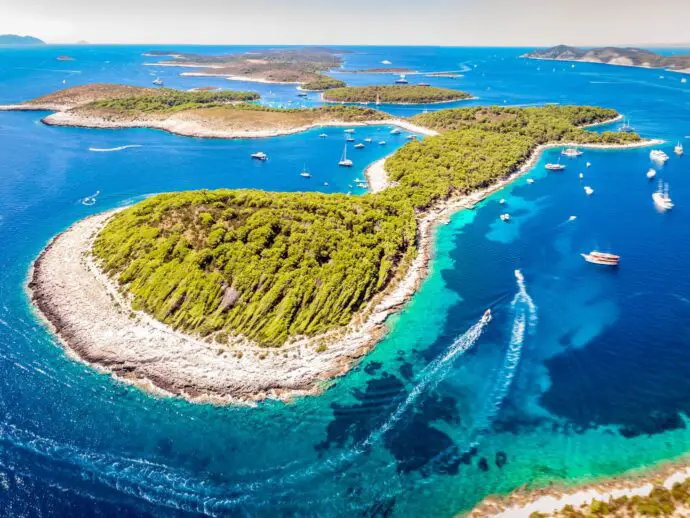
Sea Kayaking the Pakleni Islands: Just off the coast of Hvar Town lies a tiny archipelago of 21 islands, islets, and reefs. Paddling through the turquoise waters takes you to hidden beaches and snorkelling spots that most visitors miss.
Cycling Through Ancient History: The Stari Grad Plain is a UNESCO World Heritage Site laid out by Greek settlers in 384 BC. Use your E-bike to cycle through lavender fields, passing historic sites and rural wineries that are still producing wines in centuries-old vineyards.
For those planning a wider Adriatic itinerary, nearby Slovenia offers equally stunning scenery. The Vintgar Gorge walk near Bled pairs perfectly with a trip to Hvar. Slovenia is known for its beautiful lakes and picturesque landscapes.
Speedboat Tours to the Blue Cave: One of the world’s most striking natural phenomena sits on nearby Bisevo island. Sunlight enters the cave through an underwater opening, turning the interior an electric blue. Many tours also include visits to the Green Cave and Stiniva Beach as well as swimming havens across the Vis archipelago.
The adventure tourism industry has seen significant growth recently. The global adventure tourism market is expected to exceed 424 billion dollars by 2025, with Europe representing the largest regional share at nearly 38%. Travellers are not just seeking thrills. They want meaningful and immersive experiences that connect them with nature and local culture, and Hvar delivers exactly that.
Where Luxury Meets the Adriatic
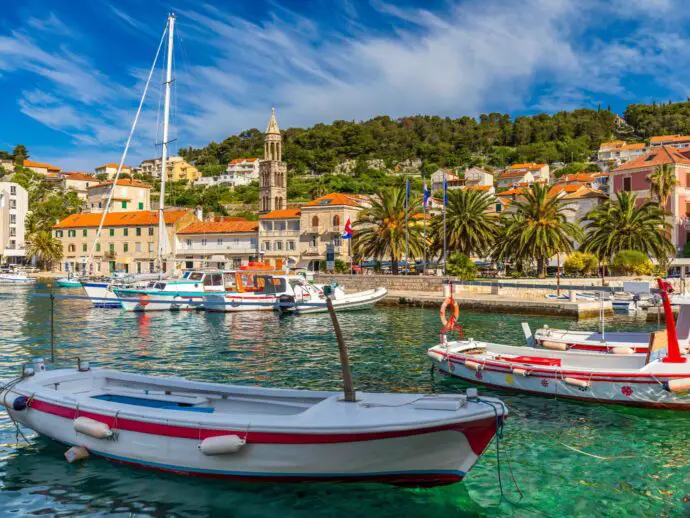
Adventure during the day, luxury by night. This is the rhythm of an Hvar holiday, and it’s part of what makes the island perfect if you’re still deciding which holiday style suits you best. Whatever you choose, Hvar has something for everyone.
Hvar Town is where most of the upscale energy lives. The waterfront promenade is lined with restaurants serving fresh gregada (a traditional Dalmatian fish stew), grilled octopus, and locally produced olive oil. Wine bars pour indigenous Croatian varietals you won’t find anywhere else in the world.
For accommodation, you can choose from heritage five-star hotels set within centuries-old Venetian buildings to private villas with infinity pools overlooking the sea. The island’s spa scene has also grown, with properties offering complete wellness programs including massages, facials, and body treatments, all set against stunning Mediterranean views.
Beyond the main town, smaller villages offer a quieter side of luxury:
- Vrboska: Nicknamed “Little Venice” for its stone arch bridges, perfect for wine tasting and waterfront dining
- Stari Grad: One of Europe’s oldest towns, pairing ancient cobblestone streets with boutique guesthouses and farm-to-table restaurants
- Sveta Nedjelja: The heart of Hvar’s winemaking region, where steep south-facing slopes produce the island’s best Plavac Mali
Best Time to Visit and Getting There
Hvar’s peak season runs from July through August, bringing energy, nightlife, and higher prices. For the ideal balance of great weather and fewer crowds, aim for late May through June or September through early October.
Sea temperatures sit comfortably above 20°C, outdoor activities run at full capacity, and you can snag a table at top restaurants without weeks of booking in advance. In late June, the lavender fields bloom fully, presenting one of Croatia’s most photographed scenes. The most common route to Hvar is by ferry or catamaran from Split. The high-speed catamaran takes about 50 minutes (foot passengers only), while the car ferry runs around two and a half hours to Stari Grad.
Summer crossings fill up fast, so it’s best to book in advance. For something more dramatic, helicopter transfers from Split or Dubrovnik offer aerial views of the Dalmatian archipelago that are worth the splurge.
FAQ
Is Hvar Island expensive to visit?
Hvar sits at the higher end of Croatian island pricing, especially in Hvar Town during peak season. Restaurant prices compare to those in major European cities. Visiting in the shoulder season and exploring smaller towns like Jelsa or Vrboska brings costs down while still delivering an incredible experience.
How many days do you need on Hvar?
Three to five days is ideal. It gives you time to explore Hvar Town, take a boat trip to the Pakleni Islands or Blue Cave, visit a winery, and still enjoy some downtime on the beach.
Is Hvar ideal for families?
Absolutely. The island offers adventure parks, cycling trails, and tranquil, shallow beaches perfect for younger kids. Jelsa and Stari Grad are particularly family-friendly, offering a more relaxed pace than Hvar Town.
What’s the best adventure activity on Hvar?
The Via Ferrata near Sveta Nedjelja delivers the biggest adrenaline rush. Meanwhile, for a more relaxing adventure in beautiful surroundings, try sea kayaking around the Pakleni Islands. Alternatively, the most popular day trips are the speedboat tours to the Blue Cave.
Key Takeaways
- Hvar Island combines genuine adventure with Mediterranean luxury better than almost any European destination.
- The best excursions include speedboat trips to the Blue Cave, sea kayaking, cycling tours around the Stari Grad Plain, Via Ferrata and wine tasting at ancient vineyards.
- Visit between late May and June or September and October for ideal weather, fewer crowds, and better availability.
- Smaller villages like Vrboska, Stari Grad, and Sveta Nedjelja offer a quieter, more authentic alternative to bustling Hvar Town.
- Croatia’s tourism hit record numbers in 2025, and Hvar remains one of the country’s most in-demand island destinations.