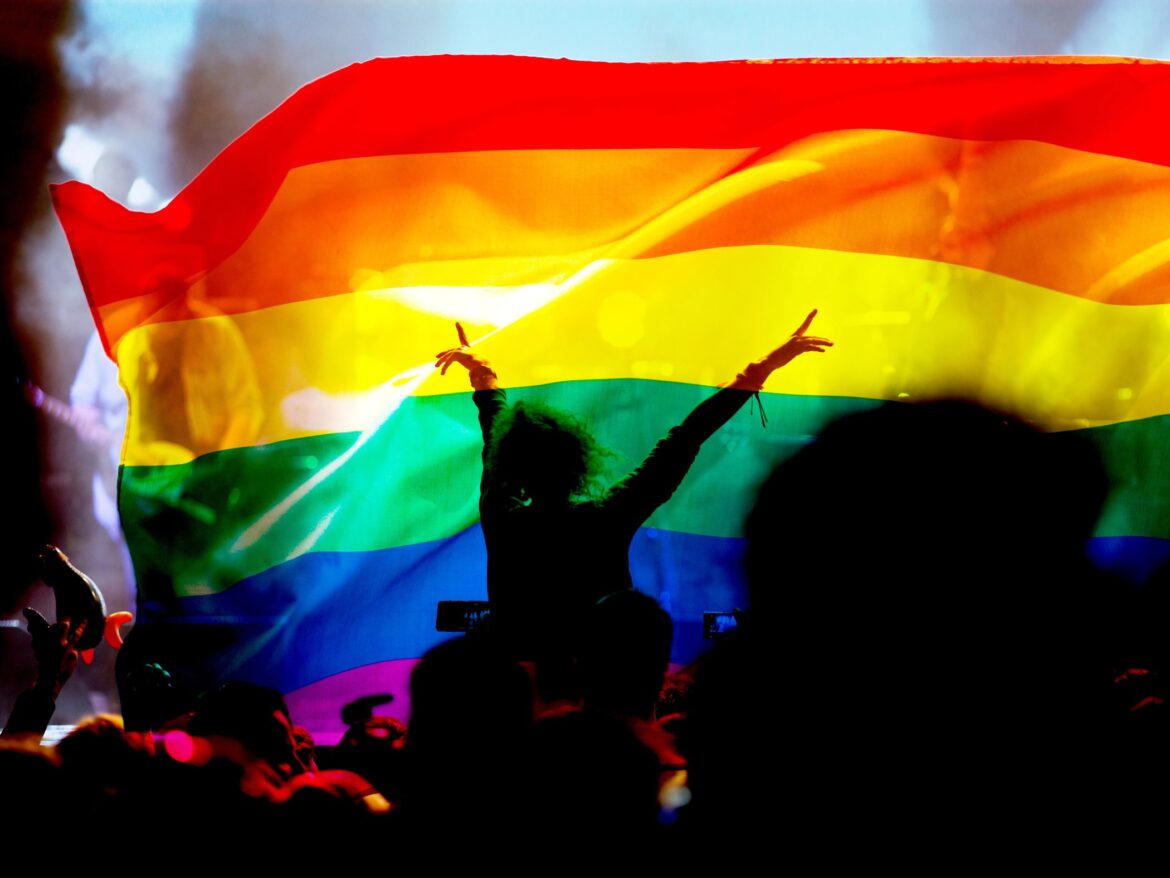
The Marcha LGBT+ de Bogotá has spent four decades growing from a small group of activists on a single street into one of Latin America’s most politically charged and culturally complex celebrations. June in the Colombian capital is no longer just a parade.
On the first day of June, flags representing every identity within the LGBT+ community are raised at the Monument to the Flags of the American States in Bogotá. The ceremony is watched by a small crowd, but it marks the beginning of a month-long transformation of the city that will culminate, on the last Sunday of June, with more than 100,000 people moving through the streets in the largest Pride march in Colombia. Every international visitor arriving for the festival must first complete their check mig colombia the mandatory migration form required by Migración Colombia for all foreign nationals entering the country, filed before departure. That administrative step cleared, what awaits them in Bogotá is an event that has been redefining the city’s relationship with public space since 1983.
Bogotá Pride, officially the Marcha por la Ciudadanía Plena LGBTI, is the largest LGBT+ event in Colombia and, according to Travel Gay’s 2026 event guide, one of the most significant in the world by scale and political weight. It is also not a single-day event. Throughout June, the city hosts a film festival, award ceremonies, a circuit festival, exhibitions, and dozens of community events. The parade is the culmination.
Four Decades of Defiance
The movement began on June 28, 1977, when activists León Zuleta, Manuel Velandia, and Guillermo Cortés co-founded the Movimiento de Liberación Homosexual de Colombia, inspired by the Stonewall Riots of 1969. Six years later, on June 28, 1983, they organized the first public Pride march in Colombian history in the centre of Bogotá. The defining chant: “¡Ni delincuentes, ni antisociales; simplemente homosexuales!” Not criminals, not antisocials; simply homosexual.
The march has been held every year since, growing in scale and political weight. In 2023, the 40th edition brought more than 100,000 participants to the streets. Colombia legalized same-sex marriage in 2016, a milestone that gave the march a different character — still a protest, still demanding full legal equality, but also a celebration of progress. The León Zuleta LGBT+ Awards, held each year during Pride Month, honour the individuals and organizations who have advanced that progress.
What the Month Actually Looks Like
The Flag Raising Ceremony opens the month, with the Diversity Film Festival running throughout June with screenings of LGBT+ cinema followed by post-screening discussions. The Bogotá Pride Fest, presented by El Mozo Club, the biggest circuit festival in Colombia, runs across multiple stages with international DJs and Latin artists, drawing a crowd that comes as much for the music as for the political statement. Chapinero, the city’s main LGBT+ district, operates at a different frequency throughout the month: the hundred-plus bars, clubs, and restaurants absorb an international crowd that books hotels months in advance.
The global market behind this kind of travel is growing fast. According to market research on the LGBTQ+ tourism sector, the global LGBTQ+ tourism market was valued at $296.8 billion in 2023 and is projected to reach $634.9 billion by 2033 at a CAGR of 7.9 percent. LGBTQ+ travellers spend approximately 23 percent more per activity than comparable non-LGBTQ+ travelers. Bogotá’s month-long program positions the city to capture a meaningful share of that demand.
The March Itself
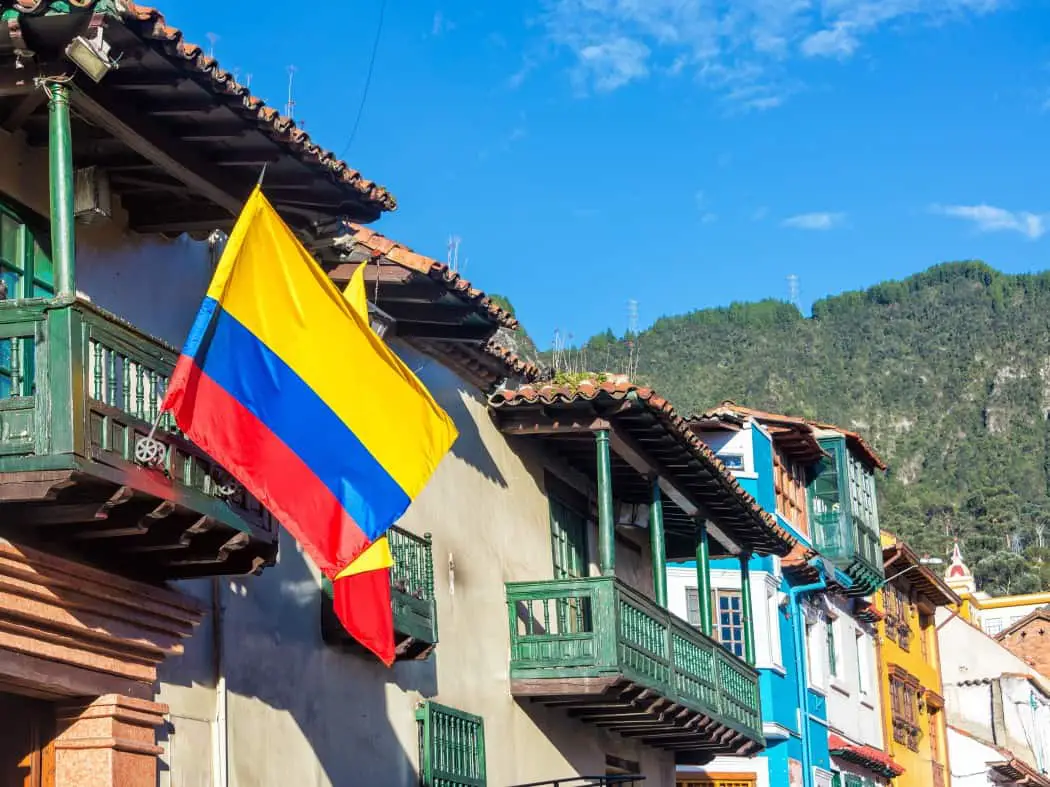
The main parade falls on the last Sunday of June. It begins at Bogotá City Council Square and moves west along Avenida El Dorado Calle 26 to Simón Bolívar Metropolitan Park. The route is public and free. Participants begin gathering from 10 a.m.; the procession lasts most of the day, with floats, community groups, drag performers, and activist organizations moving through a corridor of spectators packed onto sidewalks and balconies. It ends with a free concert at Simón Bolívar that continues until late evening.
What distinguishes Bogotá from comparable events in the region is its refusal to become purely celebratory. The formal name Marcha por la Ciudadanía Plena LGBTI has been maintained deliberately. Speeches are a central part of the day. The demands are specific: legal gender recognition, anti-discrimination protections in employment and housing, healthcare access, and protections against violence.
The City Behind the Festival
Chapinero, a hilly neighborhood 30 minutes to an hour from the colonial downtown of La Candelaria, is the geographic center of Bogotá’s LGBT+ life. Theatron, on Calle 64, is frequently cited as the largest LGBT+ nightclub in Latin America: 13 or more rooms, each with its own sound system, plus a rooftop, drag shows, a women-only area, and a capacity reaching several thousand people on weekend nights. The hundred-plus gay and gay-friendly bars, cafes, and clubs in the surrounding streets give Chapinero a density of LGBTQ+ venues comparable to the best-known queer neighborhoods in Europe or North America.
The city’s broader cultural offer gives Pride Month its wider context. The Gold Museum, one of the finest pre-Columbian collections in the world, is free on Sundays. Bogotá’s street art corridors in La Candelaria, and a serious restaurant scene, make the capital worth extending your stay for. Bogotá sits at 2,600 meters above sea level. The climate is cool year-round, the infrastructure has improved substantially over the past decade, and Pride Month is the strongest possible introduction to what the city offers beyond its festival.
Before You Go
All foreign nationals entering Colombia must complete the Check-MIG before arrival. Most nationalities do not require a visa for short stays, but the Check-MIG is mandatory regardless of nationality.