
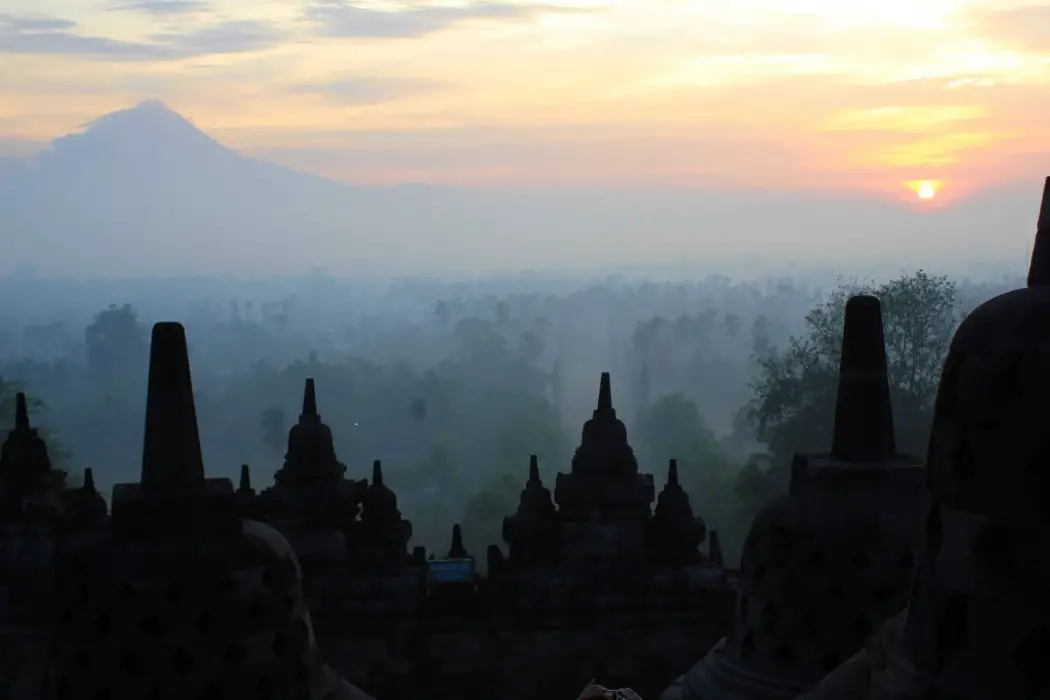
Indonesia isn’t a static land mass, instead, the earth is moving, breathing, and forming beautiful, unpredictable landscapes beneath its many islands. Volcanoes silently characterise the life of the country, from remote horizons to villages built on fertile slopes. While visitors often begin by checking requirements like the Indonesian visa-on-arrival, they soon realize that Indonesia isn’t just a destination, it’s a living volcanic landscape constantly shaping the islands beneath their feet.
These are not only natural features, indeed, they have a cultural, agricultural, belief, and daily life impacting the archipelago.
A Country Built on Fire
Indonesia is located on the Pacific Ring of Fire, and thus, it is very volatile in the world. According to volcanology authorities in Indonesia, the country has more than 120 active volcanoes, one of the highest in any given country, because of its location where various tectonic plates are converging at the crossroads.
This endless movement has a great influence on the land. The fertile volcanic terrain is suitable to foster agriculture, and volcanic eruptions remind the community of the power and unpredictability of nature.
Mount Bromo: A Landscape Like No Other
In East Java, Mount Bromo gives one of the most amazing scenes in Indonesia. It emerges out of a large and expansive plain called the Sea of Sand, and it makes the scene look almost unreal. The place is filled with diffused light and little movement at sunrise giving the scene a serene stillness.
The people of this area, particularly the Tengger people, conduct rituals here by giving prayers and offerings to the volcano. Here, nature and belief are unified and the rough landscape is transformed into a place of great cultural and spiritual significance occurs.
Mount Rinjani: Strength and Stillness
On the island of Lombok, the mountain of Rinjani is high and both challenging and peaceful. A serene atmosphere is provided by the crater lake of the volcano called Segara Anak, which sits in a very powerful natural environment. According to tourism and park-management reports, Rinjani National Park has a significant number of visitors every year, and its natural beauty and religious value bring thousands of trekkers to this park, many of whom come to hike the volcano.
The mountain is not only explored; it is respected and preserved by the nearby communities as it is regarded as one of the most significant pilgrimage and conservation sites.
Mount Merapi: Living with Uncertainty
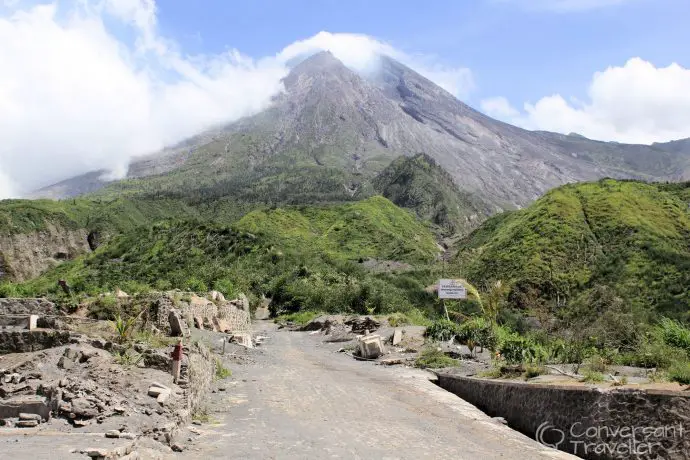
The Indonesian volcanoes are fairly active, with Mount Merapi near Yogyakarta being a prime example. Eruptions here occur frequently and serve as a reminder to the residents about the stability between risk and strength.
It is reported that Merapi is well monitored by the National Disaster Management Authority (BNPB) in Indonesia, and there are early-warning systems, evacuation strategies, and alerts that guard the surrounding population. Nonetheless, lots of people have been willing to reside along its slopes due to the fertile arable land it offers, which sustains agro-based businesses and livelihoods.
The Volcanoes and the Way of Life
Volcanoes do not just affect geography, but also determine the way of life of individuals. Soil eroded during volcanic activities in the past is fertile and is utilized in farming, particularly of rice, vegetables, and fruits, in Java and other islands. According to the Ministry of Agriculture of Indonesia, volcanic areas are one of the most productive agricultural regions of this country, as they provide livelihoods for millions of farmers.
Simultaneously, the communities have worked out effective measures of consciousness, readiness, and respect for natural powers, and amalgamate ancient wisdom with the contemporary surveillance.
Myths, Beliefs, and Respect for Nature
Volcanoes are considered sacred in most locations of Indonesia, and generational offerings, rites, and tales are usually a part of local customs. Such beliefs are simply part of everyday life in Indonesia, and they control the way in which people treat the land and respect forces that are not manageable.
People who embrace these traditions get to learn more about Indonesia than just its scenic beauty and can better relate to the spiritual and cultural dimensions of volcanic sceneries.
Why Volcanoes Define Indonesia
According to the reports by the Ministry of Tourism in Indonesia, the nation has been receiving tens of millions of international tourists in the past few years, and natural landscapes have been a significant factor in the appeal of travel to these locations. The volcanoes are the centre of this attraction, as they offer dramatic views, hiking opportunities, and culture.
Volcanoes do not only serve as destinations. Most of them constitute part of the Indonesian identity as they form its agricultural field, its mythology, and the lifestyle of people who live with the force of nature. The images of climbing, viewing, or merely seeing these mountains become the symbol of the visit of many visitors to the archipelago.