Vietnam has become one of the most exciting destinations for people who want to teach English abroad while experiencing a completely different way of life. From the lively streets of Ho Chi Minh City to the quieter communities of central and northern Vietnam, the country offers far more than a job in the classroom. Teaching English provides a unique opportunity to become part of daily life rather than simply passing through as a tourist.
For aspiring teachers, Vietnam offers an appealing combination of employment opportunities, cultural experiences and an affordable lifestyle. With the right qualifications and preparation, teaching can become a gateway to discovering the country on a much deeper level. The TEFL Org helps aspiring English teachers prepare for opportunities abroad by providing internationally recognised TEFL training that can support the first steps towards teaching in destinations such as Vietnam.
Living beyond the tourist experience
Travelling through Vietnam as a tourist can provide an unforgettable introduction to the country’s landscapes, food and famous attractions. However, living and working there creates a very different experience. Instead of spending a few days visiting a city before moving on, English teachers have the opportunity to develop routines and become familiar with their local surroundings.
Teaching English means regularly visiting the same markets, cafés and restaurants. Teachers may get to know local shop owners, learn which street food stalls serve the best meals and discover neighbourhoods that rarely appear in travel guides. Over time, everyday interactions can provide a much more personal understanding of Vietnamese life. Here you can find more information about teaching and living in Vietnam.
Living in one place also allows teachers to experience the rhythm of the local calendar. Public holidays, festivals and celebrations become part of everyday life rather than short cultural attractions. Events such as Tet, the Vietnamese Lunar New Year, can offer valuable insight into family traditions, celebrations and cultural values.
About TEFL and why certification is important
TEFL stands for Teaching English as a Foreign Language. It refers to teaching English to students whose first language is not English, often in countries where English is not the main language spoken in daily life. A TEFL course helps aspiring teachers develop practical skills such as lesson planning, classroom management, teaching grammar and adapting lessons to different learners.
For people hoping to teach English in Vietnam, TEFL certification can be an important part of preparing for the job market. Schools and language centres may look for teachers who have completed recognised training because a certificate demonstrates that they have developed an understanding of teaching methods and classroom practice. The TEFL Org offers TEFL courses designed to help future teachers build the knowledge and confidence needed before beginning their international teaching journey.
A TEFL qualification can also make the transition into the classroom less overwhelming. Living abroad already involves adapting to a new culture, language and environment. Having a foundation in teaching techniques allows new teachers to focus more confidently on their students and their new surroundings.
Building connections through teaching
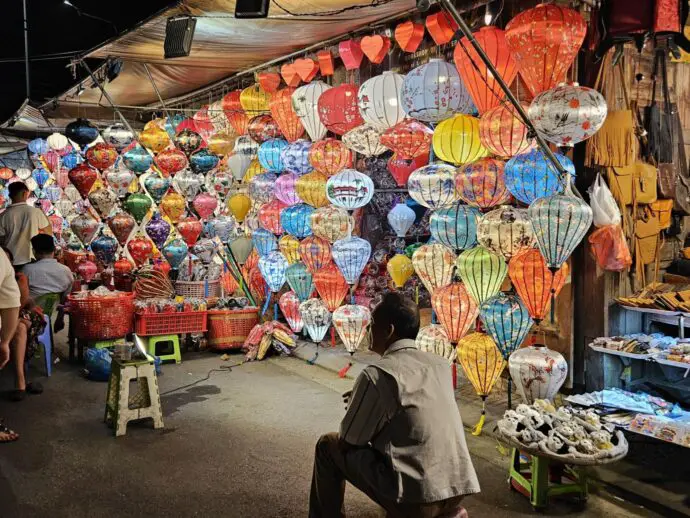
One of the biggest advantages of teaching English in Vietnam is the opportunity to meet people from different backgrounds. Students, fellow teachers and local communities can all become an important part of the experience. Working in a school or language centre creates regular opportunities for meaningful interaction that would be difficult to achieve during a short holiday.
Students can also introduce teachers to local culture in unexpected ways. Conversations about food, family traditions, music and daily routines often happen naturally in the classroom. English lessons can therefore become a cultural exchange where teachers learn just as much as their students.
Some of the connections that teaching abroad can create include:
- Developing friendships with Vietnamese colleagues and fellow international teachers
- Learning about local customs directly from students and their families
- Discovering neighbourhood restaurants, markets and hidden attractions through recommendations
- Taking part in local celebrations and community activities
- Building enough familiarity with daily life to feel part of the community
These experiences can help teachers move beyond the feeling of being an outsider. Although adapting to a new culture takes time, regular contact with local people can make the transition easier and more rewarding.
Vietnam’s food culture becomes part of everyday life
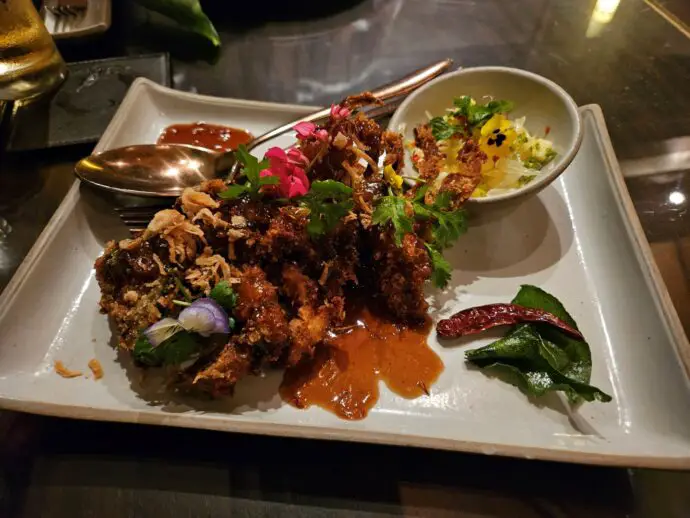
Vietnamese cuisine is often one of the first things that attracts visitors to the country. Teaching English provides the opportunity to explore that food culture gradually rather than trying to experience everything within a limited holiday. A teacher may develop a favourite breakfast spot, become familiar with regional dishes or discover small family-run restaurants near their workplace.
Food is also closely connected to social life, and sharing meals with colleagues or friends can provide opportunities to learn more about Vietnamese customs and traditions. Even a simple lunch can become a chance to practise basic Vietnamese phrases and better understand the local community.
Different regions of Vietnam also offer their own culinary identities. Teachers living in Hanoi, Da Nang, Hoi An, or Ho Chi Minh City may have very different food experiences, which makes travelling within the country even more interesting. The longer someone stays, the more opportunities there are to explore regional flavours and local specialities.
Exploring Vietnam while having a home base
Vietnam is a long and geographically diverse country with mountains, beaches, cities and rural areas. Teaching English provides the advantage of having a stable home base while still allowing time to explore. Weekends and school holidays can be used to visit new destinations without constantly needing to plan international travel.
Popular experiences may include:
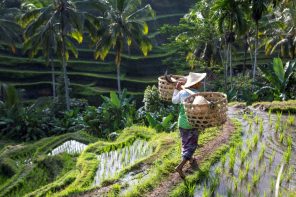
- Exploring the mountains and rice terraces of northern Vietnam
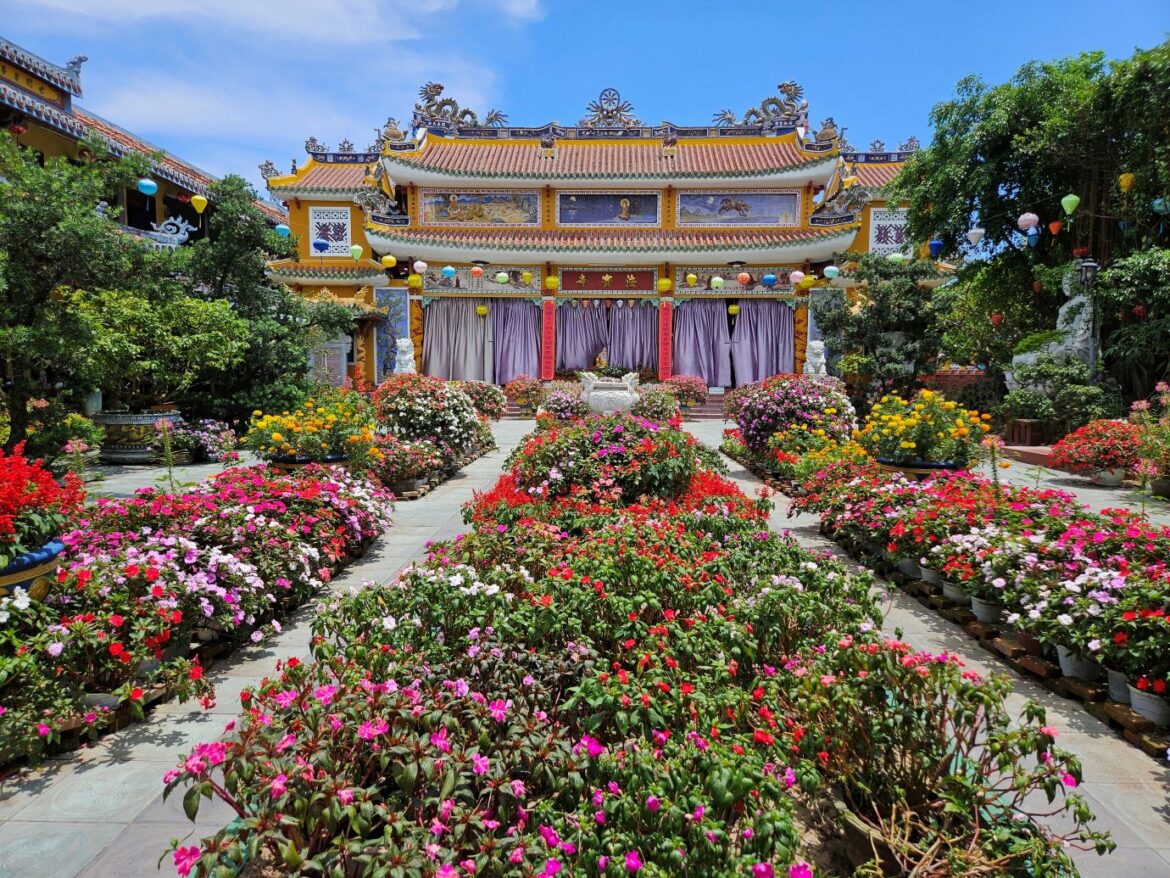
- Visiting historic cities and cultural landmarks in central Vietnam
- Relaxing on beaches along the country’s long coastline
- Discovering floating markets and river life in the Mekong Delta
- Taking shorter trips to nearby destinations in Southeast Asia
Having a job can also make travel feel more sustainable. Instead of trying to see everything during a short and expensive holiday, teachers can explore gradually over several months or even years. Each journey becomes part of a longer experience of living in the region.
Final thoughts
Teaching English in Vietnam can provide a unique opportunity to experience local life while developing valuable professional and personal skills. From building friendships with students and colleagues to exploring regional food, language and traditions, everyday life offers countless opportunities for cultural discovery.
With appropriate preparation and a recognised TEFL qualification, aspiring teachers can approach the experience with greater confidence. The TEFL Org can help provide the teaching knowledge needed to take that first step, while life in Vietnam offers the chance to discover a country far beyond the typical tourist experience.